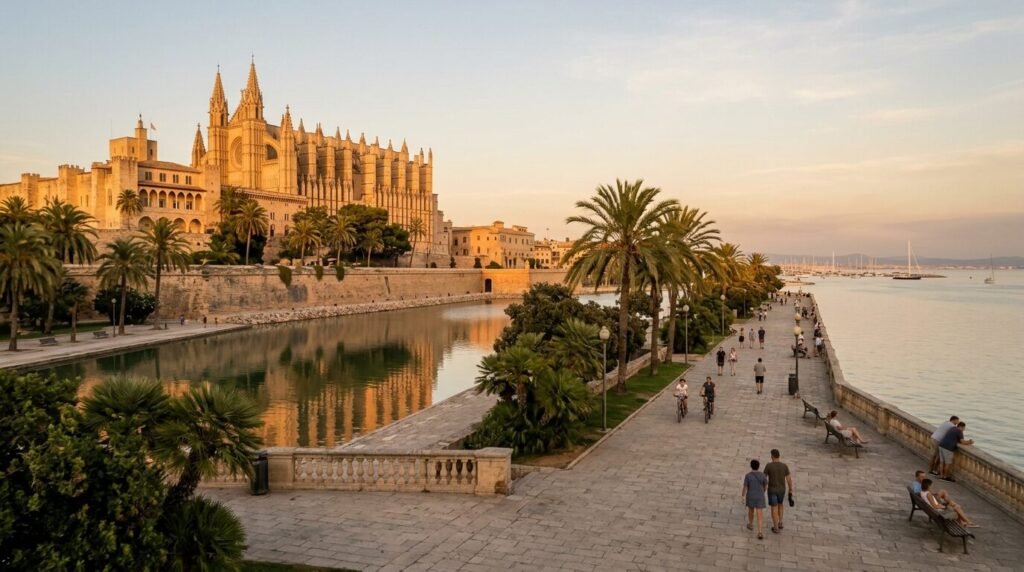
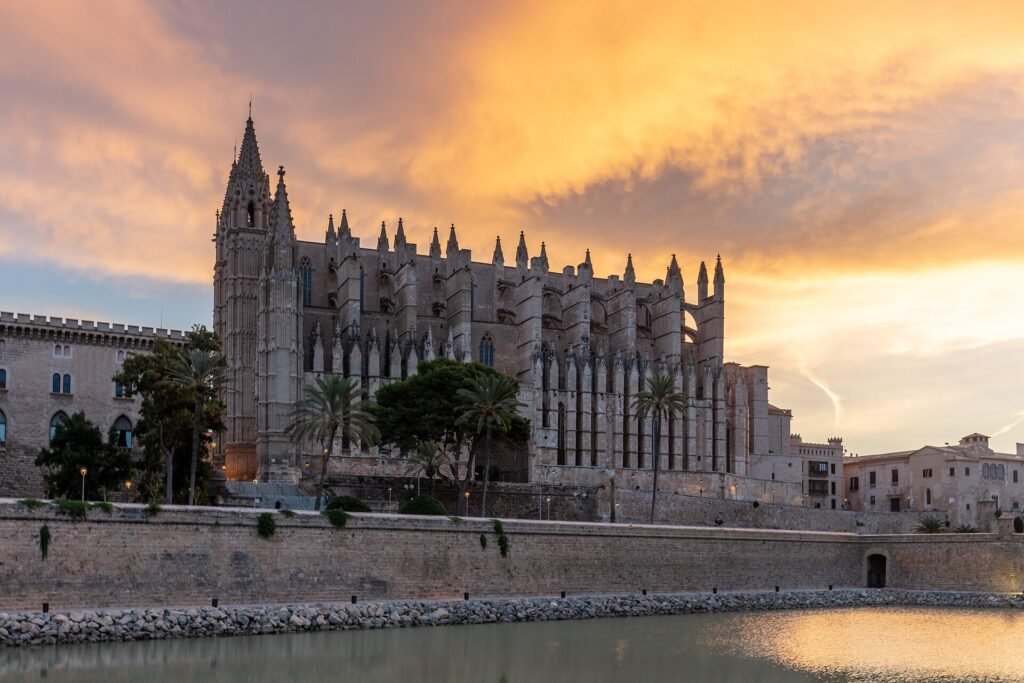
At dusk, the stone of La Seu turns honey-gold and the promenade along the bay begins to fill with walkers, cyclists and people on their way to dinner. A few streets back, shutters are coming down in the old town while the scent of coffee, seafood and warm bread hangs over the lanes.
That is Palma de Mallorca at its best: a city that feels compact enough to explore on foot, yet big enough to keep you busy for days. Stay near the centre for old streets and late dinners, or by the water if you want easy swims, marina views and quicker mornings.
Popular tours in Palma
Palma gives you a proper city stay on an island that people often think of only as a beach destination. You can spend the morning under the Gothic vaults of the cathedral, have lunch in the market, then be at the sea in time for an evening walk along the bay.
It also works well as a base. From Palma you can reach beaches, inland villages and the Tramuntana mountains without changing hotels every night. If you are planning a wider Mallorca trip, this guide to where to buy a holiday home in Spain is useful background, and if you like the social side of Spanish evenings, our tapas guide will make the first night easier.
This is the Palma people picture first: stone lanes, courtyards, church squares and small shops squeezed between historic façades. Around Plaça de Cort, Carrer de Sant Miquel and the lanes near the cathedral, you will find the city at its most walkable, especially early in the morning or after the day-trippers have gone.
It is the best area if you want atmosphere on the doorstep, but parking is awkward and many streets are too tight for casual driving. If you are staying in a holiday home here, ask in advance about loading, lift access and where the nearest public car park is before you arrive.
Across from the old centre, Santa Catalina has become one of Palma’s most liveable districts, with cafés, small bars and a strong dinner scene around the market. It feels younger and more informal than the cathedral quarter, and it is a good choice if you want a neighbourhood with everyday life rather than pure postcard Palma.
The downside is noise. In peak season, evenings can run late, so check whether your apartment faces a main street or a quieter side road before booking or listing a property there.
If you want sea air and an easy cycling route into town, Portixol and el Molinar are hard to beat. The waterfront path is one of Palma’s most enjoyable stretches, especially in the cooler hours of the day when locals are out walking, running or stopping for coffee by the water.
These areas suit longer stays and remote workers who want a calmer rhythm without giving up city access. You are still close to the centre, but the mood is more residential and the bay is part of daily life, not just a view.
Just inland from the centre, Bons Aires and the wide avenues around it are practical rather than pretty in the classic sense. That is exactly why some visitors prefer them: easier access, more local shops and better odds of finding a lift, a terrace or a bit more space for longer stays.
If you are listing a home here, practical details matter. Guests often want to know about air conditioning, lift access, noise insulation and how long it takes to walk to the old town or the bus stops.
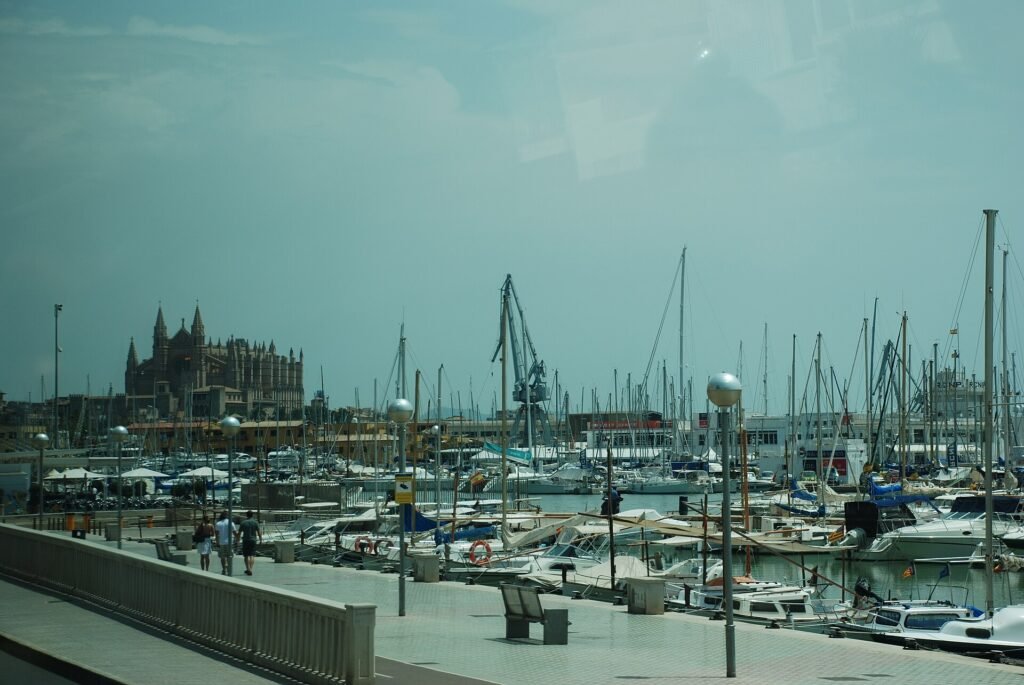
Palma’s coastline is not one long resort strip, and that is part of its appeal. You can swim at Can Pere Antoni close to the centre, head along the waterfront promenade, or move east towards Portixol for an easier beach-and-bike combination.
Further out, Cala Major is useful if you want a city beach with more of a summer holiday feel. It can get crowded in warm weather, so go early if you want a quieter swim and easier parking. For a broader look at the island’s coast and easy day trips, our East Málaga guide is a good example of how we cover beach areas and practical living, even though Palma has its own rhythm.
If you prefer greenery to sand, Bellver Forest is the closest easy escape. It is a good place for a shaded walk when the centre gets hot, and it gives you a different view of the bay without leaving the city.
Palma’s food culture is built on market shopping, seafood and simple Mallorcan dishes that work best when they are fresh and unhurried. Look for pa amb oli, tumbet, frito mallorquín and dishes with local fish, then balance them with a sweet stop for ensaïmada.
The markets are where the city still feels most local. Mercat de l’Olivar is the obvious stop for fresh produce and seafood, while Mercat de Santa Catalina gives you a more neighbourhood feel. If you like to eat the way locals do, arrive before the noon rush and take your time; Palma rewards slow lunches more than rushed ones.
For drinks, expect easygoing terrace culture and a growing interest in local wines. If you are new to Spanish ordering habits, this wine guide helps with the basics, and the article on Spanish greetings is handy if you are renting a home and meeting neighbours or hosts.
Palma is not only a gateway to the island; it has a strong cultural calendar of its own. The cathedral and royal palace anchor the historic core, but the city also comes alive through gallery openings, music, street processions and the September atmosphere around Nit de l’Art.
In January, Sant Sebastià brings fires, concerts and a citywide excuse to stay out late, while Semana Santa adds processions and a quieter, more reflective mood in spring. If you are planning to visit during a major religious period, our Semana Santa guide explains how local traditions change the mood in Spanish cities.
The practical point: Palma is lively year-round, but the feel of the city shifts with the seasons. Summer brings more visitors and fuller terraces, while autumn and winter often suit travellers who want calmer streets and better availability for longer stays.
Palma de Mallorca Airport is the main gateway, and it is close enough to the city that transfers are straightforward. From there, taxis and airport buses are the easiest option unless you are collecting a car for the rest of the island.
There are no intercity trains from the mainland to Palma, of course, but once you are on the island you can use buses, taxis, bikes and walking very effectively inside the city. The old town is best on foot, while the waterfront and some longer stretches are ideal by bike or e-bike.
If you are driving, think carefully before choosing a central apartment. Street parking can be limited, and some old-town lanes are better left to residents and deliveries. For a holiday home, easy access from the airport and a clear parking plan can matter more than a slightly prettier street view.
Good to know
Palma is one of Mallorca’s most searched markets for city apartments, and the mix of beach access, old-town character and year-round demand makes it attractive for owners. Good photos, honest descriptions and practical details matter here more than glossy promises, because guests want to know about noise, lifts, terraces, air conditioning and parking.
If you want to rent out a home in Palma, check the current tourism rules with the town hall or the regional authority before advertising. Rules and fees can differ by area and property type, and Balearic regulations are not something to guess at. Spainholiday.eu lets owners list directly, which keeps enquiries simple and avoids commission.
For holidaymakers, the same rule applies in reverse: ask the owner the practical questions before you book. In Palma, location matters as much as style, and a well-placed flat near the bay or an easy walk from the old town can make the whole stay smoother.
Local services in Palma
List your property
Reach guests directly for a low fixed fee – no commission on your bookings.
Not for a city stay. Palma is easy to manage on foot, by bus and by taxi, and a car can be more trouble than help in the centre. If you plan day trips around Mallorca, though, a car becomes useful.
Portixol, el Molinar and the eastern waterfront are the easiest picks for sea views and promenade walks. Cala Major is another option if you want a more beach-focused stay.
Yes, especially in areas with good transport and everyday services such as Santa Catalina, Portixol and the avenues just inland. Choose a place with reliable internet, a proper desk and air conditioning if you are staying in warmer months.
They can be, especially if you choose calmer stretches and go early before the heat and crowds build. The easiest family logic is simple: stay close to the beach you actually plan to use, rather than assuming every bay-facing apartment is equally practical.
You may need one, but the rules depend on the property and the latest Balearic and municipal regulations. Always check with the town hall or the regional authority before you advertise or take bookings.
The city is busiest in the main summer season, especially around the waterfront, cathedral and beach areas. Spring and autumn are usually easier for sightseeing and can be better if you prefer a calmer city break.
Discover Spain with Spainholiday
We share engaging articles on Spanish culture, food, sights and practical tips to help make your holiday even better.
👉 Like us, share our articles and keep following us for more inspiration for your next Spanish adventure!
Holiday homes on Spainholiday
PARTNER
Living in Spain – or thinking about it?
News, practical guides and local services for internationals in Spain on NewInSpain.
Advertise your business here
Restaurants, car hire, cleaning and local services: reach travellers and holiday home owners in your area.
Own a holiday home in Spain?
List it on Spainholiday for a low fixed fee – no commission on your bookings.