The beach will still be there tomorrow. One of the joys of a holiday home on the Costa del Sol is that you are never more than a couple of hours from somewhere completely different: mountain towns, limestone plateaus, caves that were sealed for thousands of years. Most visitors manage one excursion. Those who stay a few weeks often wish they had done more.
These are the three classics that almost everyone should see at least once, with honest advice on how to get there, how long to allow and when to go. At the end you’ll find two shorter ideas for when you have half a day to spare.
Popular tours and day trips from Málaga
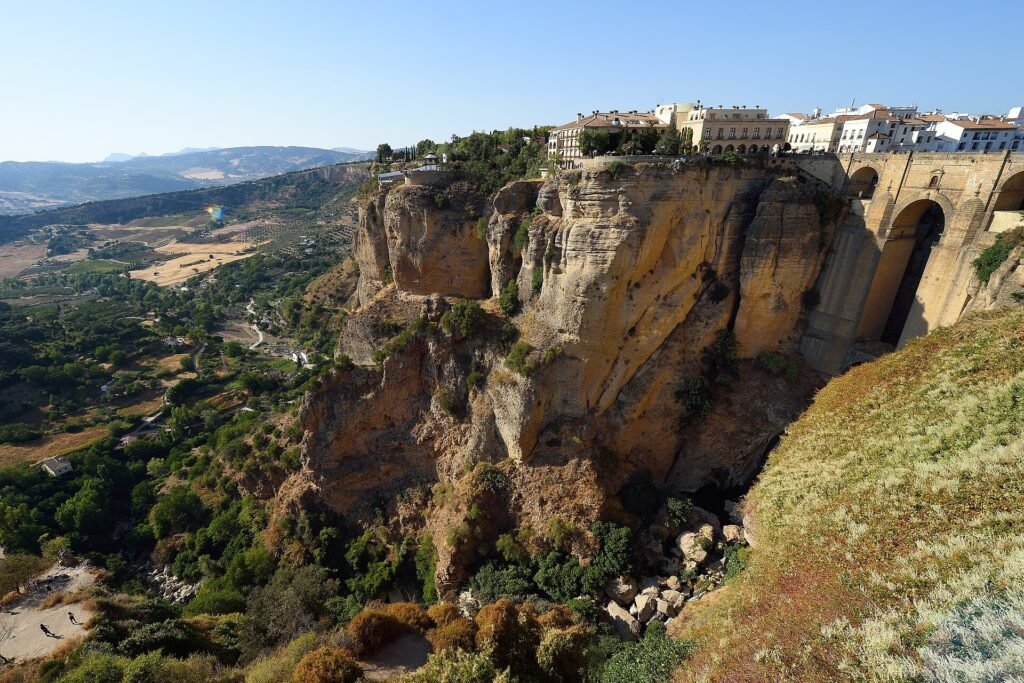
Ronda sits on a plateau split in two by the Tajo, a gorge more than a hundred metres deep, and the Puente Nuevo bridge that spans it is one of the most photographed sights in Spain. Spend the morning crossing between the old Moorish quarter and the newer town, walk down to the viewpoints below the bridge, and visit the bullring, one of the oldest in the country. The old town’s lanes, Arab baths and palace gardens easily fill an afternoon.
By car: from Málaga the drive takes around an hour and three quarters inland. From Marbella or San Pedro Alcántara the A-397 mountain road climbs up in about an hour, with spectacular views and plenty of bends. Park in one of the underground car parks near the centre rather than trying the narrow old-town streets.
By bus: several companies run Málaga to Ronda, with journey times from about an hour and a half to two and a half hours depending on the route.
By train: there is no direct train from Málaga; the trip takes around two hours with one change, and there are only a handful of departures a day. Book ahead and plan the return carefully.
Good to know
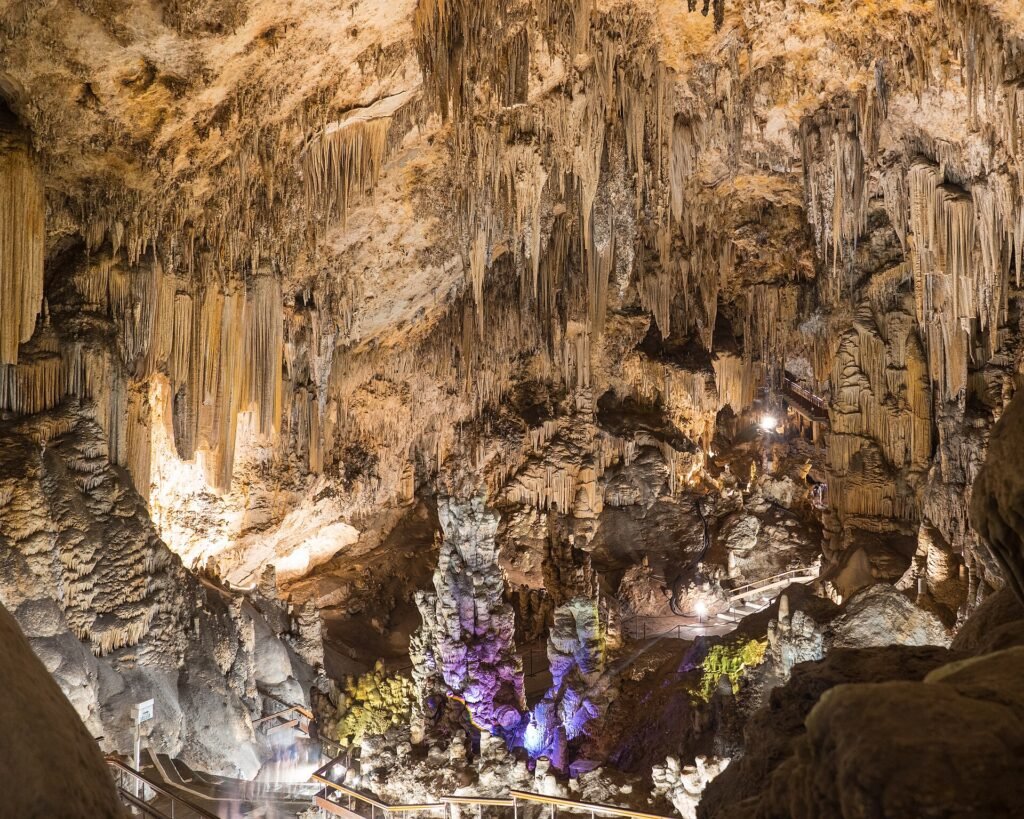
In 1959 a group of local teenagers squeezed through a sinkhole near the village of Maro, just east of Nerja, and found a vast cave system that turned out to have been used by people for tens of thousands of years. Today a walkway leads through enormous chambers filled with stalactites and stalagmites, including one of the world’s tallest columns. The visit itself takes around 45 minutes to an hour, and it is noticeably cooler inside than out, which makes it a good choice on a scorching day.
Tickets are sold for timed entry, and it pays to buy them online in advance on the cave’s official website, especially in July, August and Easter week. Prices have changed in recent years, so check the official site for the current rate. The cave is also used as a concert venue during its summer music festival, which is a memorable way to see it.
By car, the cave is about an hour east of Málaga on the A-7 coastal motorway, with parking next to the entrance. By bus, regular coaches run from Málaga’s bus station to Nerja, and local buses connect the town with the cave. Make a day of it in east Málaga: walk out to the Balcón de Europa viewpoint in Nerja, have lunch in town, and spend the late afternoon in Frigiliana, a white village of steep cobbled lanes and Moorish-era street patterns just inland, which is at its prettiest as the evening light hits the walls.
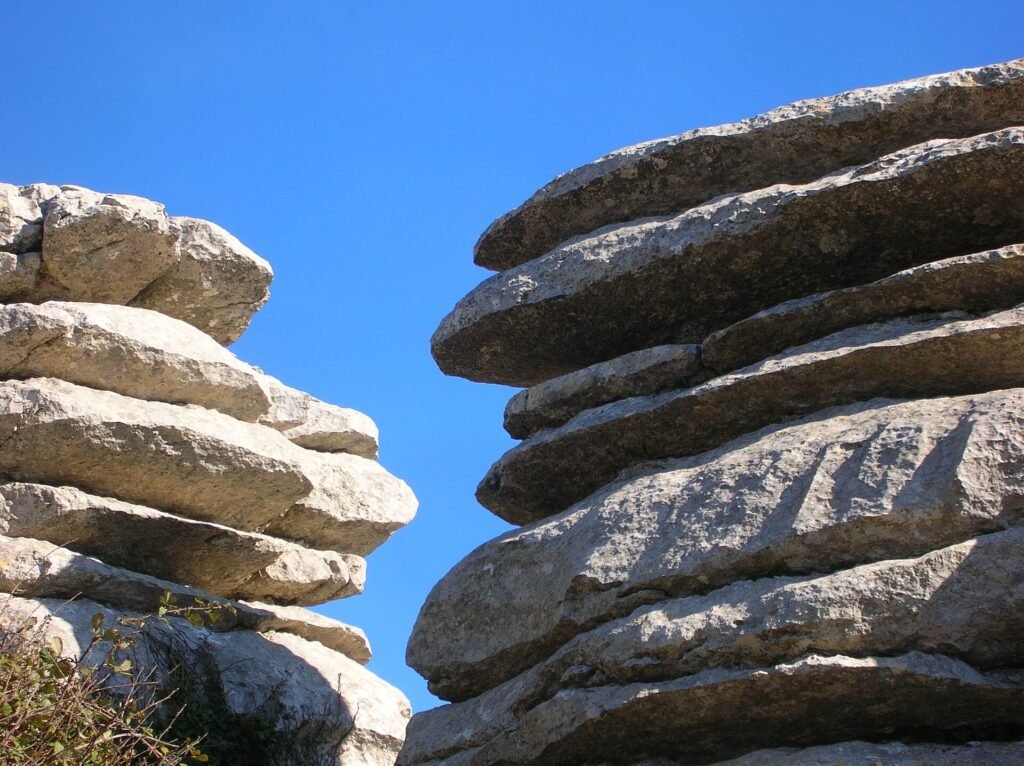
El Torcal is unlike anywhere else on the Costa del Sol. Millions of years of rain and wind have sculpted the limestone into stacks, towers and tottering piles that look like giant plates. The protected natural area sits on a plateau above Antequera, around an hour’s drive north of Málaga, and the air up there is cooler and fresher than on the coast. Wild ibex wander among the rocks, and the views on a clear day stretch towards the sea.
From the visitor centre at Torcal Alto, marked trails loop through the rocks. The short routes are fine for most families, while the longer trail is around 3.6 kilometres one way on very rocky ground and needs proper shoes. On weekends, holidays and busy days the road up to the top car park is closed once it fills, and visitors leave their cars at the lower car park beside the A-7075 and take a shuttle bus up. Arrive early, before 10:00, to drive to the top. There is no public transport to El Torcal itself; without a car, take the bus or train to Antequera and a taxi from there.
Local tip
Combine El Torcal with Antequera’s Dolmens, huge Bronze Age burial chambers on the edge of town that are a UNESCO World Heritage Site. Do El Torcal in the cool of the morning and the town and dolmens after lunch.
The Caminito del Rey is a walkway pinned to the cliffs of the Desfiladero de los Gaitanes gorge, about an hour from Málaga. It is one-way, takes most people two to three hours, and tickets sell out weeks ahead in spring and autumn. As of 2025–2026, a general ticket costs €10 and a guided visit €18, with a small extra charge for the shuttle bus between the end of the walk and the start. Regional trains from Málaga stop at El Chorro station near the finish.
Frigiliana works as a half-day trip on its own if you are staying on the eastern side of the coast, or as the last stop after the caves. Wear comfortable shoes: the village is built up a hillside and almost every street is a staircase.
Spring (March to early June) and autumn (late September to November) are the best months for all three trips. In July and August, Ronda and Antequera can be over 35°C in the afternoon; start early, head for shade at midday, and save the cave for the hottest day. In winter, El Torcal can be cold, windy and occasionally foggy, so bring a jacket even if it is warm on the beach. Weekday trips are always calmer than weekends, when many people from Málaga head inland too.
If you want more ideas, our guide to sights on the Costa del Sol covers museums, viewpoints and smaller villages that are easy to reach from the coast.
Day trips are easier when you are not checking out of a hotel. A holiday home with parking makes it simple to set off early and come back late, and staying for two weeks or more gives you time to spread the excursions out. Have a look at holiday homes in Spain; owners with a property inland or on the coast can list their home on Spainholiday.
More for your trip
Partner links: we may earn a small commission at no extra cost to you.
Local services on the Costa del Sol
List your property
Reach guests directly for a low fixed fee – no commission on your bookings.
Yes. Several bus companies run between Málaga and Ronda, taking roughly one and a half to two and a half hours. There is also a train, but it requires a change and runs only a few times a day.
It is strongly recommended in summer and during Easter week, when timed entry slots can sell out. Buy tickets on the cave’s official website and check current prices and opening hours there.
Two to three hours is enough for the visitor centre and one of the marked trails. Add a few hours for Antequera and its dolmens to make a full day.
It is not a good idea. They lie on opposite sides of the province, more than two hours’ drive apart. Plan them as separate days.
Spring and autumn, when temperatures are comfortable inland. In summer go early in the day, and in winter bring warm layers for Ronda and El Torcal.
Discover Spain with Spainholiday
We share engaging articles on Spanish culture, food, sights and practical tips to help make your holiday even better.
👉 Like us, share our articles and keep following us for more inspiration for your next Spanish adventure!
Holiday homes on Spainholiday
1-bedroom penthouse in MarbellaFrom €1,175 per week
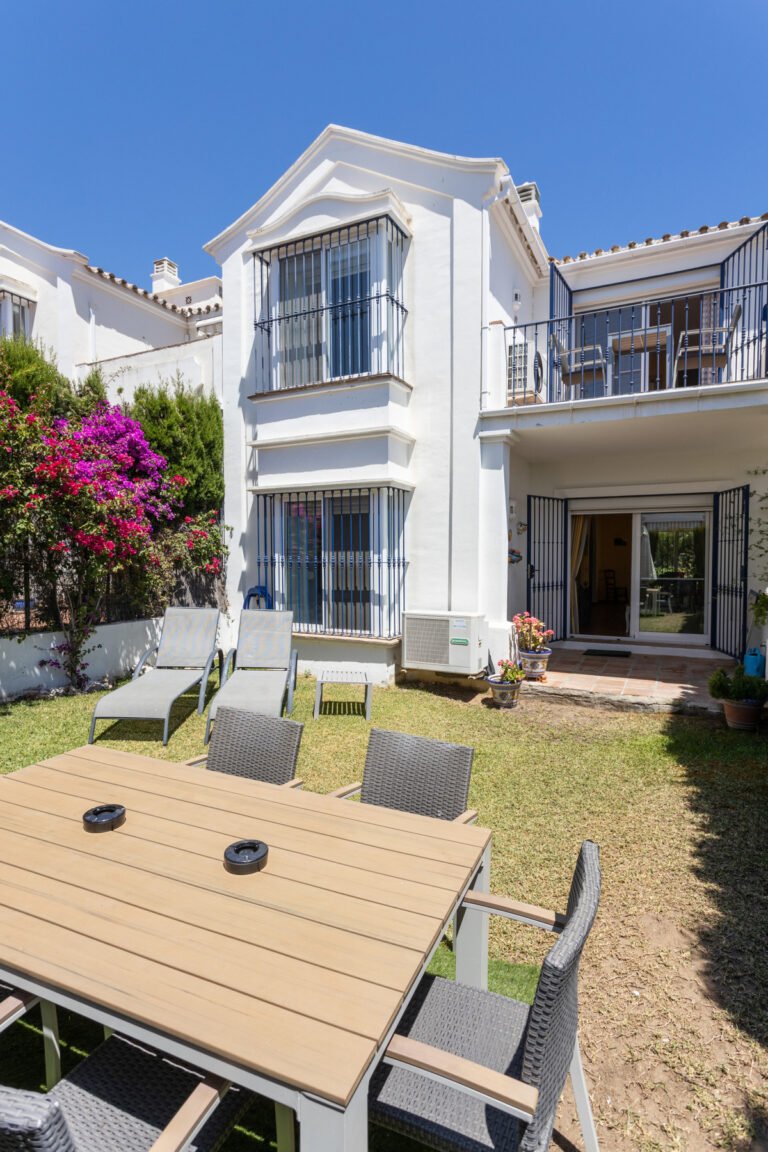
3-bedroom villa in San Pedro de AlcántaraFrom €1,050 per week
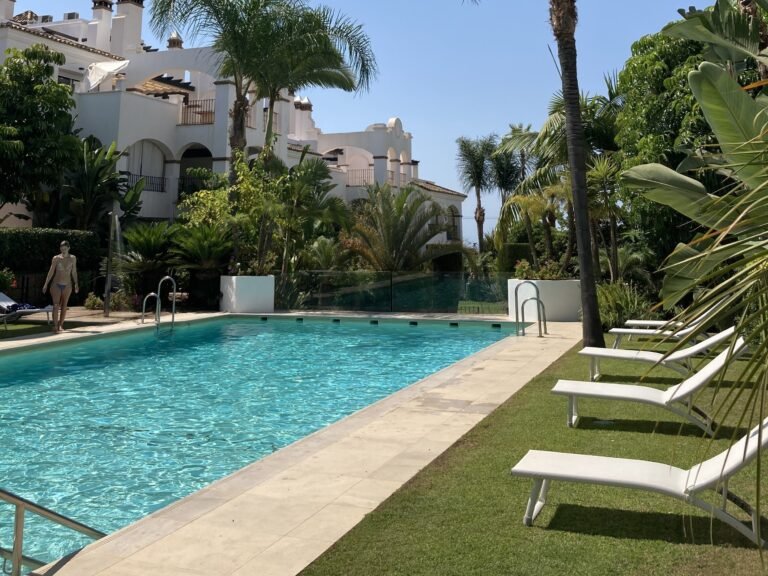
2-bedroom penthouse in Sierra BlancaFrom €1,800 per week

4-bedroom apartment in MarbellaFrom €1,155 per week
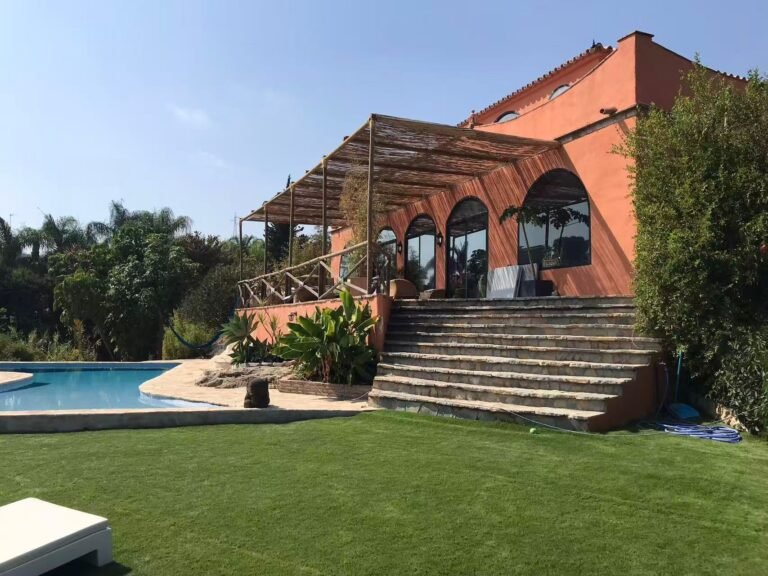
4-bedroom villa in BenalmadenaFrom €1,100 per week
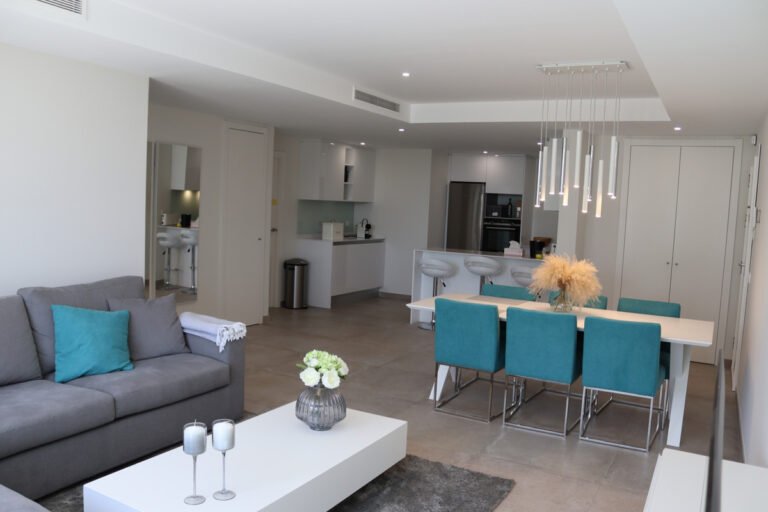
2-bedroom apartment in CanceladaFrom €1,000 per weekPARTNER
Living in Spain – or thinking about it?
News, practical guides and local services for internationals in Spain on NewInSpain.
Advertise your business here
Restaurants, car hire, cleaning and local services: reach travellers and holiday home owners in your area.
Own a holiday home in Spain?
List it on Spainholiday for a low fixed fee – no commission on your bookings.