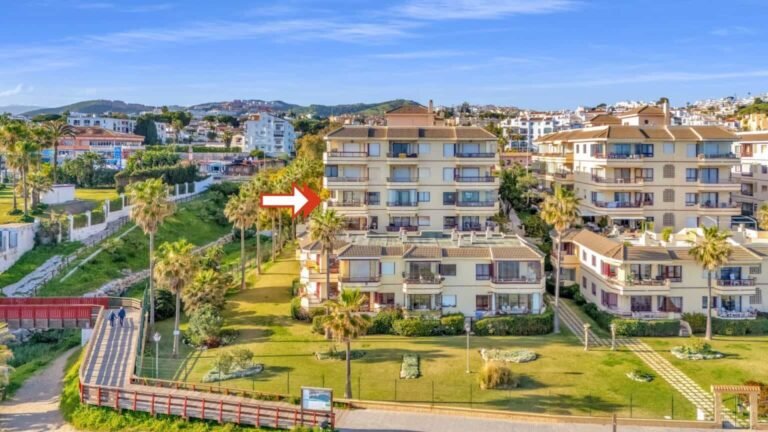
At dusk, the paseo in Rincón de la Victoria fills with walkers, bikes and the smell of salt from the sea. A little farther east, in Nerja, the light drops over the Balcón de Europa and the coves below turn silver-blue. That is East Málaga at its best: a coast that still feels lived in, with white villages climbing quietly into the hills behind it.
This is a smart part of Málaga province for a holiday home. You get beaches, good road access, a milder winter than much of northern Europe, and enough local life to keep the area working outside the high season. For travellers, it is easy to combine beach days with market visits, hill villages and long lazy lunches, the sort of meals that sit well after a read through tapas in Spain.
Advertise your business here – reach holidaymakers and home owners in East Malaga.
Popular tours in Nerja and east Málaga
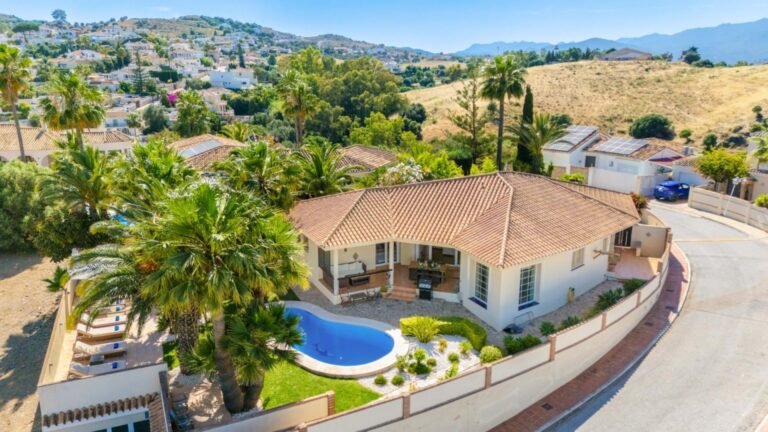
East Málaga works because it gives you options without forcing you into one kind of holiday. You can stay on the coast in a flat with sea views, or pick a house in the Axarquía and be at the beach in a short drive. The terrain changes fast here: coastal promenades, peppered chiringuitos, then avocado groves, steep lanes and small villages that still shape the day around shade, lunch and the afternoon pause. If you want to understand local timing, siesta in Spain still matters in places like this, especially away from the busiest beachfront strips.
The area is also practical. Málaga city is close enough for airport connections, and you can reach the coast road easily from the capital. That makes East Málaga appealing for longer stays, remote work and owners who want a place that is just as usable in spring and autumn as it is in August. The downside is predictable: summer traffic, busy beaches at peak hours and some apartment blocks that are better for convenience than charm.
Rincón de la Victoria is the most straightforward beach base in this stretch. Its long seafront, wide beaches and everyday services make it popular with families and long-stay visitors. It feels more residential than resort-like, which is exactly why many people like it. If you want easy parking, supermarkets and a beach you can actually use without overplanning, this is one of the best bets.
The cave system at Cueva del Tesoro gives the town a bit more depth than a typical sun-and-sand stop, and the promenade is where the rhythm of the place is easiest to read: early swimmers, dog walkers, then tapas and ice cream after sunset. Accommodation here suits owners who want repeat guests rather than one-off party crowds.
Torre del Mar has one of the most useful urban beaches on the eastern Costa del Sol. The promenade is wide, the beach is long, and there is enough year-round activity to keep the town from feeling empty outside summer. It is a good choice if you want easy access, lots of local services and a more animated seaside feel than in some of the quieter villages nearby.
It is also a sensible base for visitors who like to move around by car but do not want to be in a hard-to-reach hill village. In the evening, the beachfront tends to pull people out for an amble and a drink, then back in before the night gets too late. If you like a simple, local dinner, this is the kind of place where a plate of grilled fish and a cold beer does the job.
Nerja is the best-known name in the east for a reason. The town has strong holiday appeal, but it is not just about the postcard view from the Balcón de Europa. The old centre still has narrow streets, small shops and a pace that feels more compact than many Costa del Sol towns, and the coves nearby give it a different mood from the long open beaches farther west.
Come here if you want a mix of town life, sea views and day trips. The main drawback is that Nerja can get busy in high season, especially around the centre and the most famous beaches. If you are staying here in summer, it pays to walk early, eat late and look beyond the obvious spots for a quieter meal or swim.
The Axarquía inland from the coast is where East Málaga changes character. Villages such as Frigiliana, Cómpeta, Comares and Sayalonga are known for whitewashed streets, viewpoints and a landscape shaped by sun, terraces and seasonal farming. Frigiliana is the easiest day trip from Nerja, but the deeper you go into the hills, the more you feel the quiet and the heat.
These villages are excellent if you want a home with more privacy and more space than a beach apartment can offer. Just be realistic: access roads can be narrow, summer temperatures inland can climb higher than on the coast, and a hill property is often better for those who enjoy calm, views and driving than for those who want a beach on the doorstep.
Vélez-Málaga is less flashy than the seaside names, but it matters. It is the administrative and commercial centre for much of the area, with markets, services and a more ordinary local pulse. If you are staying in the Axarquía for more than a week, this is where practical errands are easiest, from shopping to transport and repairs.
East Málaga gives you two very different coastlines in one trip. Around Rincón de la Victoria and Torre del Mar, the beaches are broad and easy, good for families, swims and long walks. Around Nerja, the coastline becomes more dramatic, with smaller coves and steeper backdrops. If you want quieter water in high summer, go early in the day and take shade seriously.
Inland, the Axarquía’s hills are worth the detour even if you are a beach-first traveller. Almond groves, vineyards and avocado terraces are part of the landscape, and the roads often open onto sudden views of the sea. It is a useful place to rent or own if you want guests to stay longer than a standard beach break, especially outside the hottest weeks.
This is an area where the menu changes naturally between coast and hills. On the waterfront, order espetos de sardinas when they are on offer, and look for fried fish, grilled seafood and simple salads that suit the heat. Inland, the food becomes heartier, with stews, roast dishes and local produce from the Axarquía’s farming belt. For drink, local wine is part of the story, and a glass with a long lunch feels right here. If you want a primer on what to order with confidence, Spanish wine and how to drink it like a local is a useful companion.
In the morning, markets are the best place to see how locals shop. Look for fruit, vegetables, olives and bread, then keep lunch simple and late. In summer, avoid the places that shout too loudly at the promenade and choose the ones where the menu is shorter and the tables are full of people who clearly live nearby. For dessert or a snack, churros with chocolate still work well after an early walk or a late-night return from the beach.
The cultural rhythm here is local rather than monumental. Nerja has the strongest tourist profile, but the wider area keeps its own calendar through Semana Santa processions, summer ferias, romerías and patron-saint days in the villages. These are not just events for visitors; they are when families return, streets fill and the area feels most like itself. If you are here in spring, Semana Santa in Spain helps explain why some towns feel suddenly fuller and more formal.
The smaller villages are especially good if you like low-key local life. A market morning, a church square in late afternoon, then a long dinner after sunset is a fairly typical pattern. If you stay inland, learn the opening rhythms and respect the heat: lunch can be the day’s anchor, not an afterthought.
Málaga-Costa del Sol Airport is the obvious gateway, and from there the coast is straightforward by road. Málaga city also gives you rail options into the wider region, but for Nerja and most of the Axarquía, a car is the most practical choice. Buses connect the main towns, though they are better for planning than spontaneity if you want to visit several villages in one day.
Once you are here, driving is easiest if you want freedom between coast and hills. Parking is simpler in winter and harder in peak summer, especially near beaches and in Nerja. In the towns, walk as much as you can; in the villages, give yourself time for narrow roads, hillside gradients and the occasional scenic wrong turn.
Good to know
East Málaga is attractive for holiday homes because demand comes from several directions: beach holidays, long stays, winter sun and people who want a base between Málaga city and the Axarquía. Apartments near the promenade can work well for short lets, while townhouses and villas inland often suit longer stays and repeat visitors who want space and views. Owners should check local rules with the town hall or the regional authority, because licence and registration requirements vary by area.
If you are listing a property, think like a guest. Clear self-check-in, strong Wi-Fi, good shading, fans or air conditioning, and straightforward parking details matter more here than grand styling. For a holiday home in this area, the basics sell the stay: easy access, honest photos and a terrace that really works at sunset.
Be one of the first hosts in East Malaga
There are no holiday homes listed in East Malaga yet. List yours for a low fixed fee – no commission.
Local services in East Málaga
Advertise your business here – reach holidaymakers and home owners in East Malaga.
List your holiday home in East Malaga
Reach guests directly for a low fixed fee – no commission on your bookings.
Not if you stay in one of the main coastal towns and are happy to walk, take taxis or use buses locally. For the Axarquía villages, a car is much more practical.
Rincón de la Victoria and Torre del Mar are the easiest family choices because of their long beaches, services and flatter seafronts. Nerja works well too, but it is busier and more compact.
It can feel crowded around the centre and the most famous beaches in high season. If you want a calmer stay, book early and plan beach time for mornings or late afternoons.
Yes, many Axarquía villages are within a reasonable drive of the coast. Just choose carefully if you want to avoid steep roads and summer heat.
Usually yes for short-term holiday letting, but the rules depend on the municipality and the Andalusian regulations that apply at the time. Check with the town hall or the regional authority before listing.
Yes, especially on the coast, where the climate is mild and many services stay open. Inland villages are quieter and can be cooler at night, so they suit travellers who want calm more than beach weather.
Discover Spain with Spainholiday
We share engaging articles on Spanish culture, food, sights and practical tips to help make your holiday even better.
👉 Like us, share our articles and keep following us for more inspiration for your next Spanish adventure!
Holiday homes on Spainholiday
PARTNER
Living in Spain – or thinking about it?
News, practical guides and local services for internationals in Spain on NewInSpain.
Advertise your business here
Restaurants, car hire, cleaning and local services: reach travellers and holiday home owners in your area.
Own a holiday home in Spain?
List it on Spainholiday for a low fixed fee – no commission on your bookings.