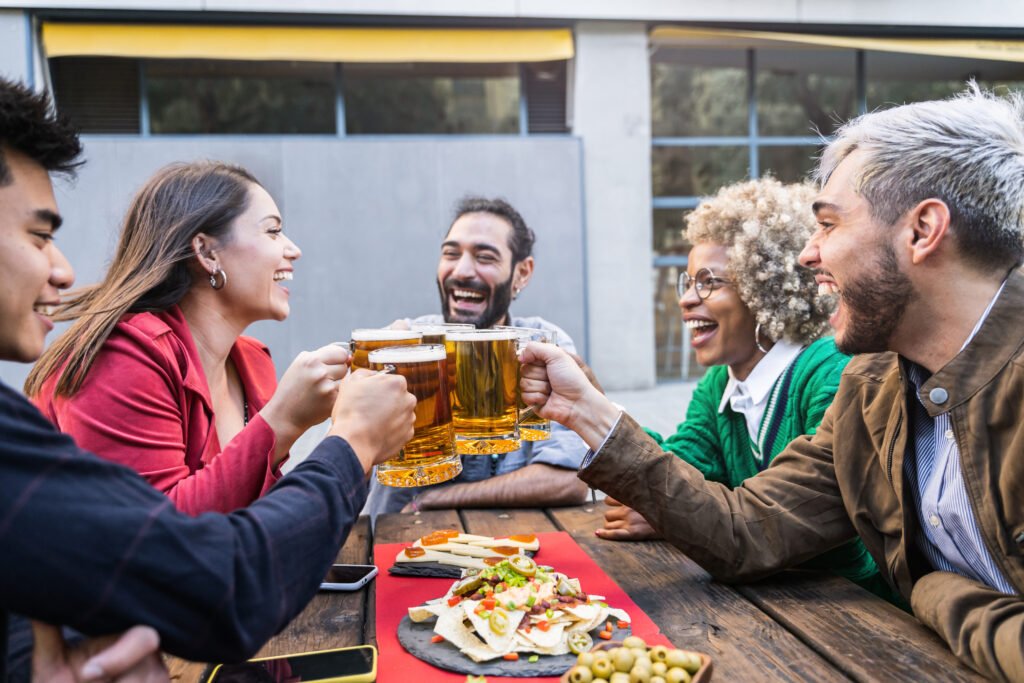
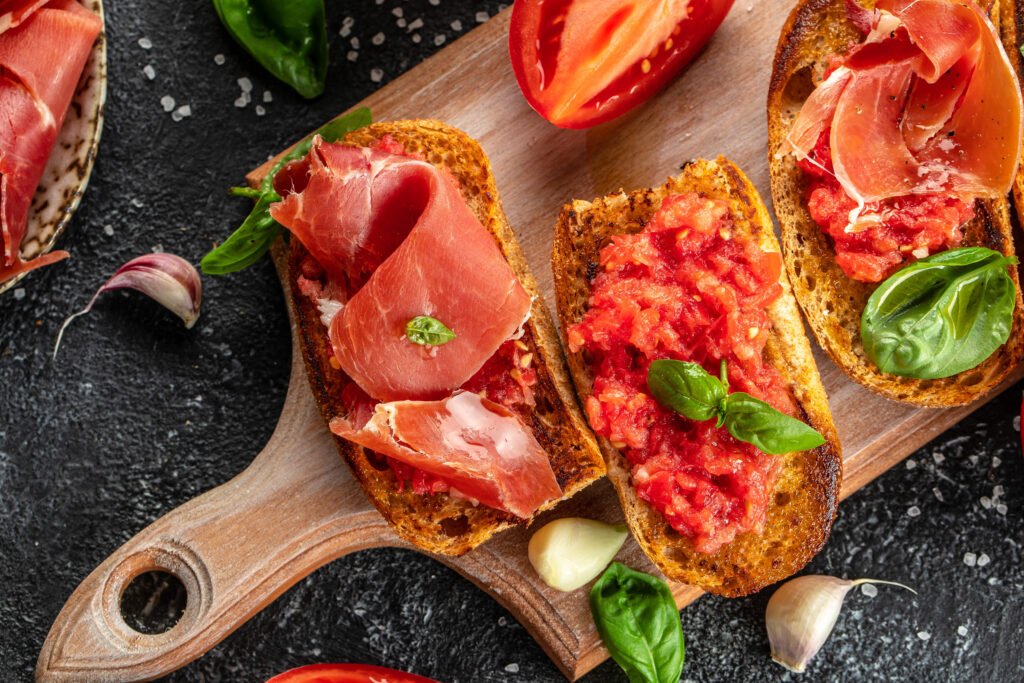
A plate lands on the bar beside your glass, maybe a slice of bread with ham, maybe a bowl of olives, and the room keeps moving around it. That is tapas at its most ordinary and most Spanish: quick, social and meant to be shared.
If you are staying in Spain, tapas are one of the easiest ways to eat well without overthinking it. And if you own a holiday home here, it is also the kind of local habit your guests will remember long after the beach towels are packed away.
The word tapa means “lid” or “cover” in Spanish. One popular story says tavern owners in Andalusia once placed a piece of bread or ham on top of a glass of wine to keep dust and flies out.
Another version says King Alfonso X “the Wise” ordered wine to be served with food in the 13th century so people would not drink too much. However the custom began, it grew into a habit: small portions shared with friends and family over wine or beer.
Tapas are not just food; they are a way of moving through the evening. To ir de tapas means to go from bar to bar, ordering a little here and a little there, rather than sitting down for a full meal in one place.
You might start with olives and manchego, then move on to gambas al ajillo (prawns in garlic) or albóndigas (Spanish meatballs in sauce). The point is not to order everything at once, but to share, taste and keep going.
Today tapas can be as simple as a plate of tortilla or as polished as a dish on a tasting menu. Many Michelin chefs work with the format, turning small plates into something more refined without losing the idea behind them.
You will see tapas on menus far beyond Spain, but they make most sense here, in a busy bar with a steady clink of glasses and a table that keeps filling and clearing. The atmosphere is part of the experience, not just the food.
Some places have made tapas part of the visit itself. In Granada and Almería, tapas are often free when you order a drink, which is one reason both cities have such a strong following among tapas lovers.
In Sevilla, look for small, traditional bars where salmorejo and jamón ibérico are always safe bets. In Madrid, neighbourhoods like La Latina and Lavapiés are good for moving from one bar to the next, mixing classic plates with more modern ideas.
In San Sebastián (Donostia), tapas become pintxos. In the old town, the bar counters are often lined with small bites that look almost too neat to eat — almost. If you are there at peak time, expect crowds and order with patience.
The easiest rule is also the best one: do not stay in just one bar. Try a few places in one evening, share dishes at the table and keep your order flexible so you can taste more.
A local drink helps too. Tapas often go well with local wine, sherry or a caña — a small beer on tap. Ask locals where they go, because the best spots are often the ones without much fuss at the door.
Good to know
Tapas customs vary from region to region. In some places they are served free with a drink, while elsewhere you pay for each one or order from a full menu. If you are renting out a holiday home, rules and fees for short-term rentals also differ by region, so check with the town hall or regional authority before listing.
Tapas bring together food, timing and local habit in a way that still feels fresh, even when the recipe is old. If you are planning a trip, they are one of the simplest ways to eat like the people who live here.
And if you are listing a holiday home on Spainholiday.eu, being near a good tapas street, a lively plaza or a classic neighbourhood bar can be a real advantage for guests who want to eat out on foot.
No. In some cities, especially Granada and Almería, tapas are often included with a drink, but that is not the rule everywhere. In many other places you pay per tapa or order from a menu.
Tapas are the broader Spanish small-plate tradition. In San Sebastián and parts of the north, the same idea is often called pintxos, and they are usually displayed on the bar.
Usually not for casual bars, but popular places in busy areas can fill up quickly, especially in the evening. If you want a specific restaurant or a larger group table, check ahead.
Granada, Almería, Sevilla, Madrid and San Sebastián are all strong choices, each for a different reason. Granada and Almería are known for free tapas with drinks, while Madrid and San Sebastián are great for bar-hopping.
Yes, many owners on Spainholiday.eu rent for holidays or longer stays. But local rental rules vary by region, so always check with the town hall or regional authority before listing.
Discover Spain with Spainholiday
We share engaging articles on Spanish culture, food, sights and practical tips to help make your holiday even better.
👉 Like us, share our articles and keep following us for more inspiration for your next Spanish adventure!
Local partners
Holiday homes on Spainholiday
1-bedroom penthouse in MarbellaFrom €1,175 per week
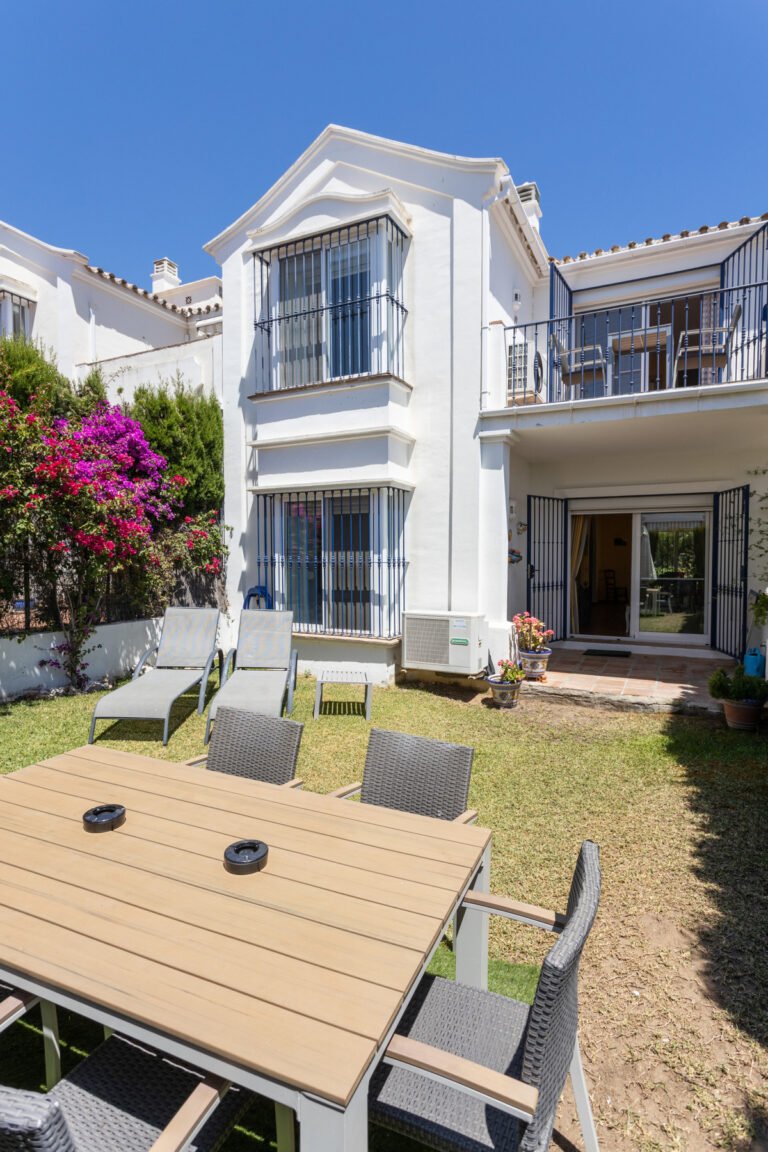
3-bedroom villa in San Pedro de AlcántaraFrom €1,050 per week
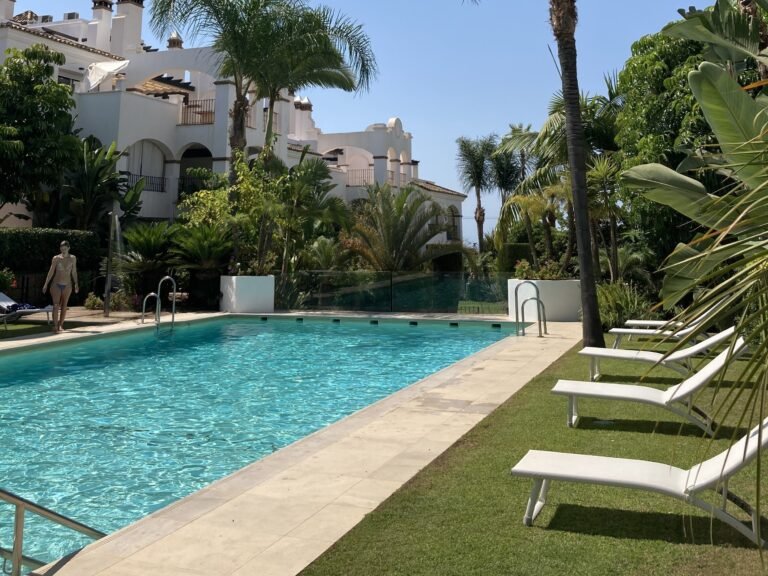
2-bedroom penthouse in Sierra BlancaFrom €1,800 per week

4-bedroom apartment in MarbellaFrom €1,155 per week
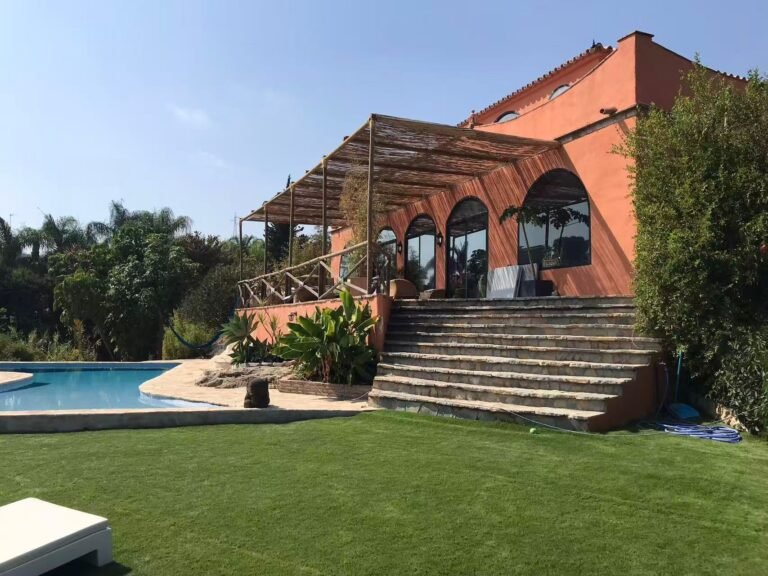
4-bedroom villa in BenalmadenaFrom €1,100 per week
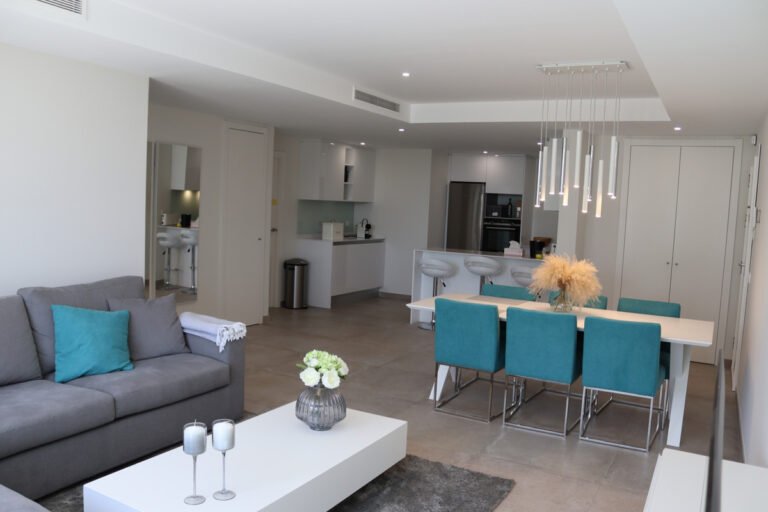
2-bedroom apartment in CanceladaFrom €1,000 per weekPARTNER
Living in Spain – or thinking about it?
News, practical guides and local services for internationals in Spain on NewInSpain.
Advertise your business here
Restaurants, car hire, cleaning and local services: reach travellers and holiday home owners in your area.
Own a holiday home in Spain?
List it on Spainholiday for a low fixed fee – no commission on your bookings.