By late afternoon on 5 January, the streets start to change. Children in paper crowns cluster at kerbsides, brass bands warm up somewhere down the avenue, and every balcony seems ready for the Three Kings to pass. If you are in Spain then, you are not just watching a parade; you are stepping into one of the most eagerly awaited nights of the year.
Three Kings Day in Spain is about the Cabalgata, the letter of hope, the last sweets before bedtime and, the next morning, slices of roscón de reyes with coffee or hot chocolate. It is also a good time to travel if you like festive streets without the Christmas-market cliché. The trick is to plan around local crowds, because everyone else has the same idea.
Quick summary
In Madrid, Barcelona, Málaga, Seville and many other cities, the Cabalgata is a proper public occasion, not a staged show for tourists. The route, the floats and the style vary, but the feeling is similar: everyone is waiting for the kings to pass, and the youngest children are the most serious spectators in Spain. If you are in a seaside town, the parade may be shorter and more local, which can be easier with children than a huge city route.
If you are visiting the Costa del Sol, it helps to read practical trip-planning guides such as where to stay on the Costa del Sol or family holidays on the Costa del Sol before you book. The week around Three Kings Day can be lively but also cool at night, and coastal towns get busy with residents returning for the holiday.
Roscón de reyes is the edible headline. It is a ring-shaped sweet bread, usually decorated with candied fruit, and often split open and filled with cream, trufa or whipped cream depending on the bakery. The first slice matters less than the ritual: one hidden figurine and one dried bean decide, in many families, who wears the crown and who pays for the roscón next time.
Many people eat it with coffee, but a thick cup of chocolate is the more indulgent move, especially if you have been standing outside for the Cabalgata. If you want the broader context of Spanish sweet rituals, you can also read about churros with chocolate, because the same winter habit of sharing something warm and simple runs through both treats.
Do not wait too long to buy one. Good bakeries sell out early, and the supermarket versions are often fine but less memorable than the ones from a neighbourhood pastelería. If you are in a city centre, go early on 6 January or reserve one the day before if the shop offers that option.
There are no special documents needed to watch a Cabalgata or buy a roscón. If you are travelling during the holiday, the practical items are the ones that matter: your ID or passport, booking confirmation, and any transport tickets you need for the journey home.
The parade itself is usually free, but the surrounding costs add up if you are travelling. Accommodation in popular cities and coastal areas can rise around the holiday period, and trains, flights and car hire may also be tighter than usual. Exact prices vary too much to pin down here, so it is worth booking early and comparing options.
| Item | What to expect |
|---|---|
| Cabalgata access | Usually free; arrive early for a good viewing spot |
| Roscón de reyes | Price varies by bakery, size and filling |
| Transport | Can be busy around 5–6 January, especially on main city routes |
| Accommodation | Book ahead if you want central locations or family-friendly apartments |
| Planning time | Check routes and travel details several days in advance |
If you are staying for a longer winter break, you may also find wintering in southern Spain useful, especially if you want a quieter base after the holiday rush has passed.
For a good holiday-home base, think about access more than postcard views. A place near the parade route can save you stress, but a home one or two streets back from the main avenue is often quieter for sleeping, easier for parking and better value than the most obvious central address.
If you rent out a home in Spain, Three Kings Day can be one of those dates when guests care about small things: a nearby bakery, a clear explanation of parking, and a simple note about public-holiday closures. A short local guide in the house works better than a long welcome letter that nobody reads.
For licensing and holiday-rental rules, check with the town hall or regional authority, because the requirements differ by region and can change. If you want to improve your listing for winter bookings, a practical article such as how to list your holiday home in Spain and get bookings is a useful next step.
A winter guest arriving for the Cabalgata usually appreciates local detail more than decoration: the nearest supermarket that opens on holidays, which streets are closed, and where to buy roscón before the best ones disappear. That kind of information helps your home feel useful, not just pretty.
Local services for Three Kings Day
In most towns and cities, yes. You just need to choose a viewing spot early, because the best stretches of the route fill fast.
The evening of 5 January is for the parade, while 6 January is the main gift day for many Spanish families. The morning after the Cabalgata is when roscón de reyes really comes into its own.
Not always, but it helps in popular bakeries or if you want a filled version. On 6 January, the best ones can sell out early.
Yes, if you plan around crowds and keep evenings flexible. A holiday apartment can help because you can eat early, rest, and avoid the rush after the parade.
Some do, but opening hours can be shorter on a public holiday. Check before you go, especially if you are relying on a bakery, supermarket or late dinner.
The holiday itself does not change the rental licence rules, but local regulations still apply. Check with the town hall or regional authority before listing or hosting guests.
Discover Spain with Spainholiday
We share engaging articles on Spanish culture, food, sights and practical tips to help make your holiday even better.
👉 Like us, share our articles and keep following us for more inspiration for your next Spanish adventure!
Holiday homes on Spainholiday
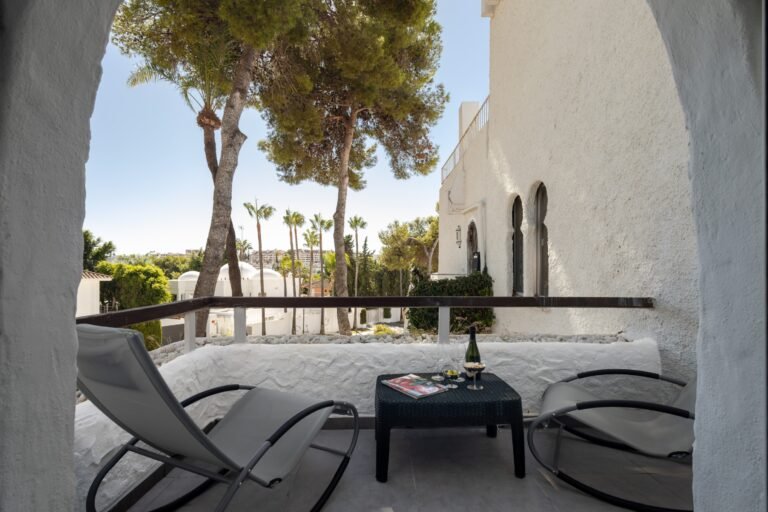
1-bedroom penthouse in MarbellaFrom €1,175 per week
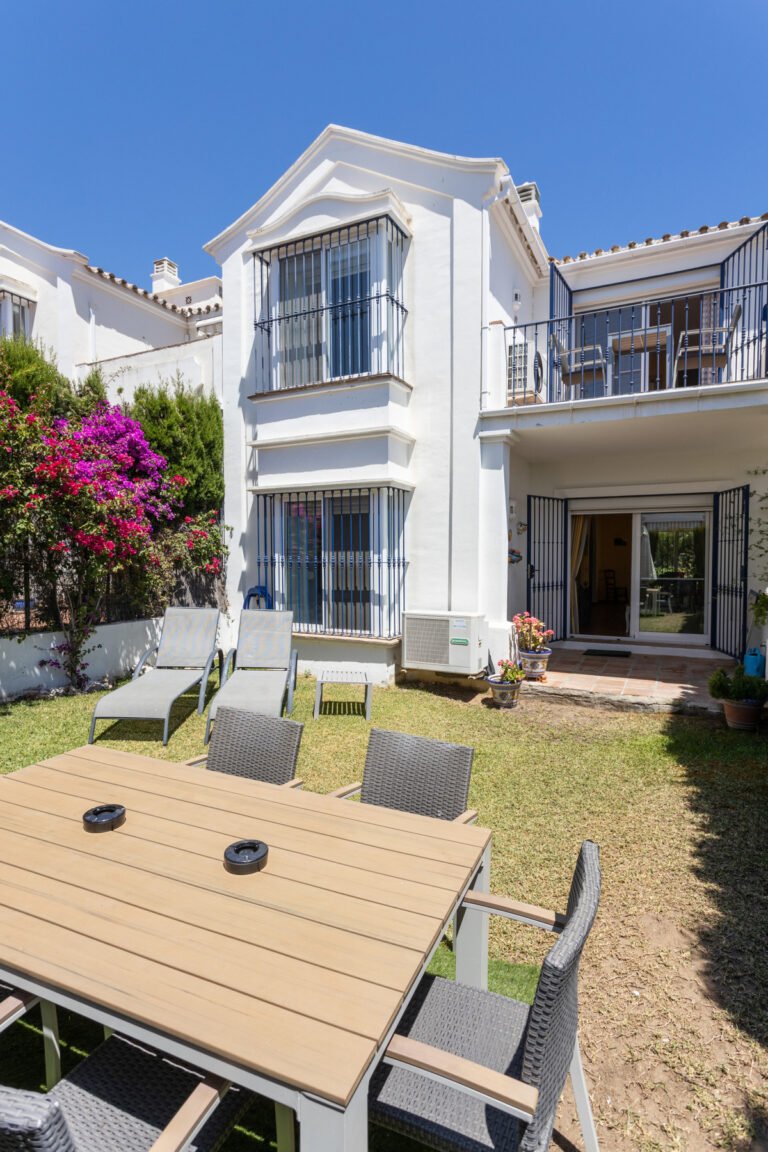
3-bedroom villa in San Pedro de AlcántaraFrom €1,050 per week
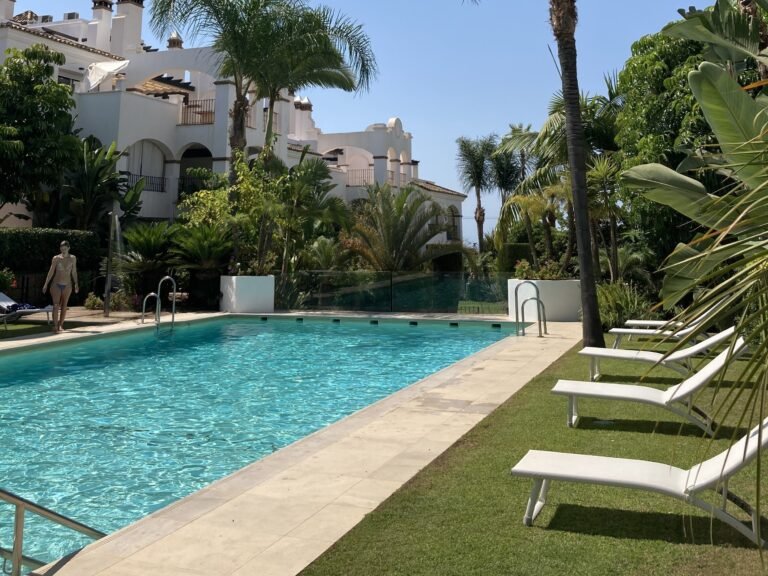
2-bedroom penthouse in Sierra BlancaFrom €1,800 per week

4-bedroom apartment in MarbellaFrom €1,155 per week
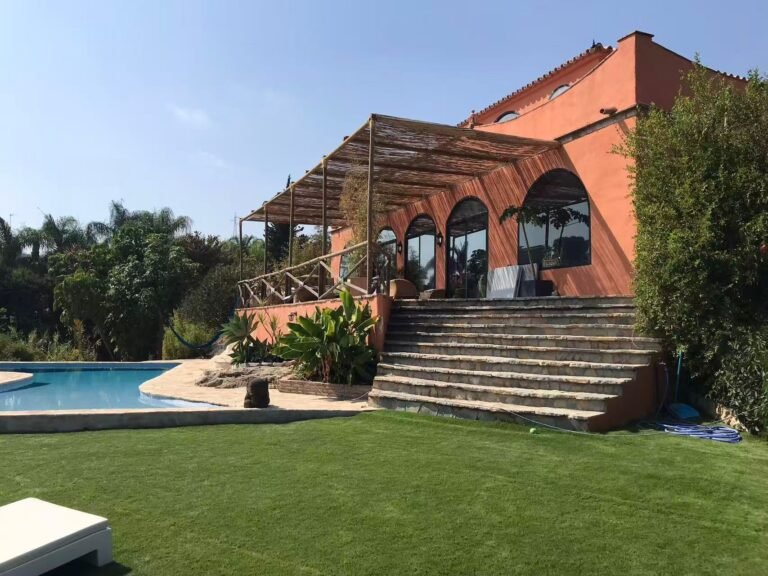
4-bedroom villa in BenalmadenaFrom €1,100 per week
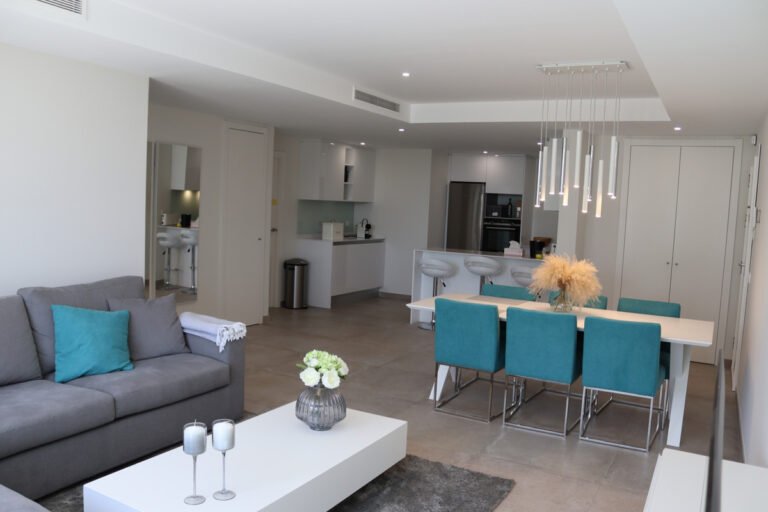
2-bedroom apartment in CanceladaFrom €1,000 per weekPARTNER
Living in Spain – or thinking about it?
News, practical guides and local services for internationals in Spain on NewInSpain.
Advertise your business here
Restaurants, car hire, cleaning and local services: reach travellers and holiday home owners in your area.
Own a holiday home in Spain?
List it on Spainholiday for a low fixed fee – no commission on your bookings.