Arrive in Málaga in the middle of August and you may wonder what has happened to the city. Calle Larios is packed shoulder to shoulder at lunchtime, people in flamenco dresses are dancing in the squares, strangers hand you plastic cups of sweet wine, and somewhere a band of violins, guitars and cymbals is playing music you have never heard before. This is the Feria de Málaga, one of the biggest summer fairs in Spain, and for eight days the whole city joins in.
It can be overwhelming the first time. It is also enormous fun, and much more welcoming than its reputation for late nights suggests. Here is how it works, and how to get the best from it as a night owl, as a family with small children, or as someone who just wants to soak up the atmosphere for an afternoon.
The feria commemorates the entry of the Catholic Monarchs, Ferdinand and Isabella, into Málaga in August 1487, after a long siege that ended Muslim rule in the city. For centuries the anniversary was marked with religious celebrations; the modern fair, with its casetas, rides and music, took shape in the late 19th and 20th centuries and has grown steadily since. The 19th of August, the anniversary itself, is still treated as the fair’s central day.
The feria always falls in the middle of August, running for about a week around that date. In 2026 it took place from Saturday 15 to Saturday 22 August, opening the night before with fireworks over the beach and the traditional opening speech, the pregón. Dates for 2027 had not been officially announced at the time of writing, but you can expect the same mid-August pattern. The city council publishes the full programme on its website in the weeks before.
The fair has two quite different halves. The feria de día takes over the historic centre of Málaga: Calle Larios, Plaza de la Constitución and the surrounding streets fill with stages, bars serving out of doorways and groups of friends dancing sevillanas in the street. It starts around midday and builds through the afternoon. The day fair in the centre officially closes at 18:00, when the music stops and the streets are cleaned for the next day.
As the centre empties, the action moves to the Real del Cortijo de Torres, the permanent fairground in the west of the city. This is the night fair: a huge grid of streets lined with casetas, the marquee-style bars and dance halls run by clubs, associations and businesses, plus a funfair with rides, stalls and churros. A monumental illuminated gateway, the portada, marks the entrance; its lights are switched on to cheers on the opening night. The Real comes alive from the evening and carries on into the small hours, with free concerts at the municipal auditorium on site.
Good to know
The official taste of the feria is cartojal, a light, sweet and very cold white wine from the Málaga wine region that is sold everywhere during the fair. It goes down far too easily in the August heat, so pace yourself and drink water in between. You will also see plenty of rebujito, a mix of dry sherry-style wine and lemonade, and of course beer.
Listen out for verdiales, the folk music of the hills above Málaga. Groups called pandas play violin, guitar, tambourine and small cymbals, led by a figure in a hat covered with flowers, ribbons and mirrors. It is fast, slightly wild music, and one of the most authentic things you will see at the fair.
As for clothes, there is no dress code. For the day fair, wear light summer clothes and comfortable shoes you don’t mind having wine spilled on. Many local women wear a flamenco dress or a simpler feria outfit, especially in the evening at Cortijo de Torres, and some men wear a light shirt and smart trousers. Nobody expects visitors to dress up, but a fan and a hat for the afternoon are genuinely useful.
Local tip
Do the day fair early. Between 13:00 and 15:00 the centre is at its liveliest without yet being completely packed; by 16:00 it can be hard to move on Calle Larios.
Don’t drive. Parking near the centre and the fairground is very limited, and traffic is heavily restricted. During the 2026 feria, the city ran a special 24-hour bus, line F, from the Alameda Principal to the fairground, plus a network of night lines from the neighbourhoods. The metro ran later than usual, and Renfe added extra C-1 suburban trains in the evening between Málaga and Fuengirola, with Victoria Kent station a few minutes’ walk from the Real. If you are staying in Torremolinos, Benalmádena or Fuengirola, check the time of the last train back before you leave; once it has gone, taxi queues can be long.
The feria is very much a family event. Spanish children stay up late in summer, and you will see pushchairs at the Real well after midnight. For younger children, the funfair at Cortijo de Torres is the main attraction; go in the early evening, when it is cooler and quieter. The day fair in the centre is better for older children and teenagers, as it gets very crowded and the drinking is part of the point. Bring water, snacks and ear protection for little ones, and agree a meeting point in case anyone gets lost.
Almost every town on the Costa del Sol has its own fair, usually smaller and easier to enjoy with children. Fuengirola’s Feria del Rosario in early October is one of the best known, with peña casetas at the fairground and, in 2026, a special late-night bus home. Marbella holds its fair in June and Torremolinos at the end of September. Our events page lists what is on during your stay.
Accommodation in central Málaga books up early and costs more during feria week. If you want to be in the thick of it, book months ahead; if you prefer to dip in and out, a holiday home in a coastal town on the train line gives you the party and a quiet night’s sleep. Browse holiday homes along the coast. Owners in Málaga and the surrounding towns will find that feria week is one of the most sought-after weeks of the year, a good reason to list your home early.
More for your trip
Partner links: we may earn a small commission at no extra cost to you.
Local services on the Costa del Sol
List your property
Reach guests directly for a low fixed fee – no commission on your bookings.
Every year in mid-August, for about a week around 19 August. In 2026 it ran from 15 to 22 August; the 2027 dates had not been announced at the time of writing.
Yes, walking around the day fair and the fairground is free. You pay for food, drinks and rides, and some casetas are private or charge for entry, although many are open to everyone.
The day fair takes place in the streets of the historic centre from around midday until 18:00. The night fair is held at the Real del Cortijo de Torres fairground, with casetas, rides and concerts from the evening until early morning.
A sweet, light white wine from Málaga that is served very cold and has become the traditional drink of the feria. It is easy to drink, so alternate it with water.
Yes, especially the funfair at Cortijo de Torres in the early evening. The day fair in the centre gets very crowded and is better suited to adults and older children.
Discover Spain with Spainholiday
We share engaging articles on Spanish culture, food, sights and practical tips to help make your holiday even better.
👉 Like us, share our articles and keep following us for more inspiration for your next Spanish adventure!
Holiday homes on Spainholiday
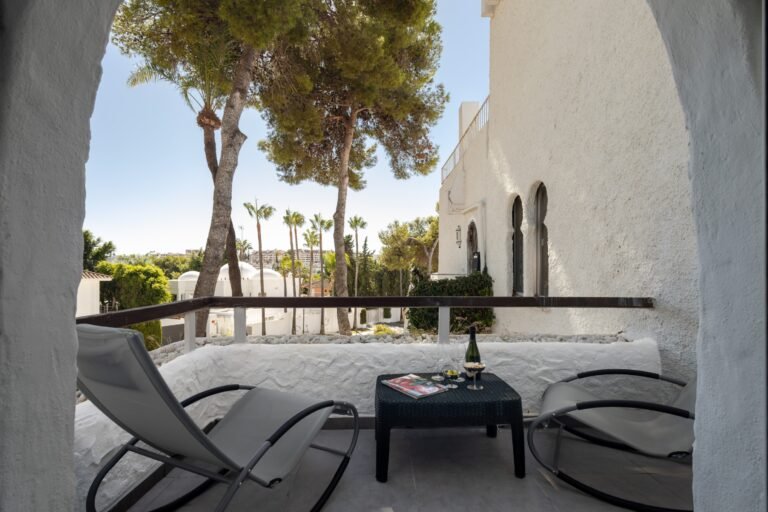
1-bedroom penthouse in MarbellaFrom €1,175 per week
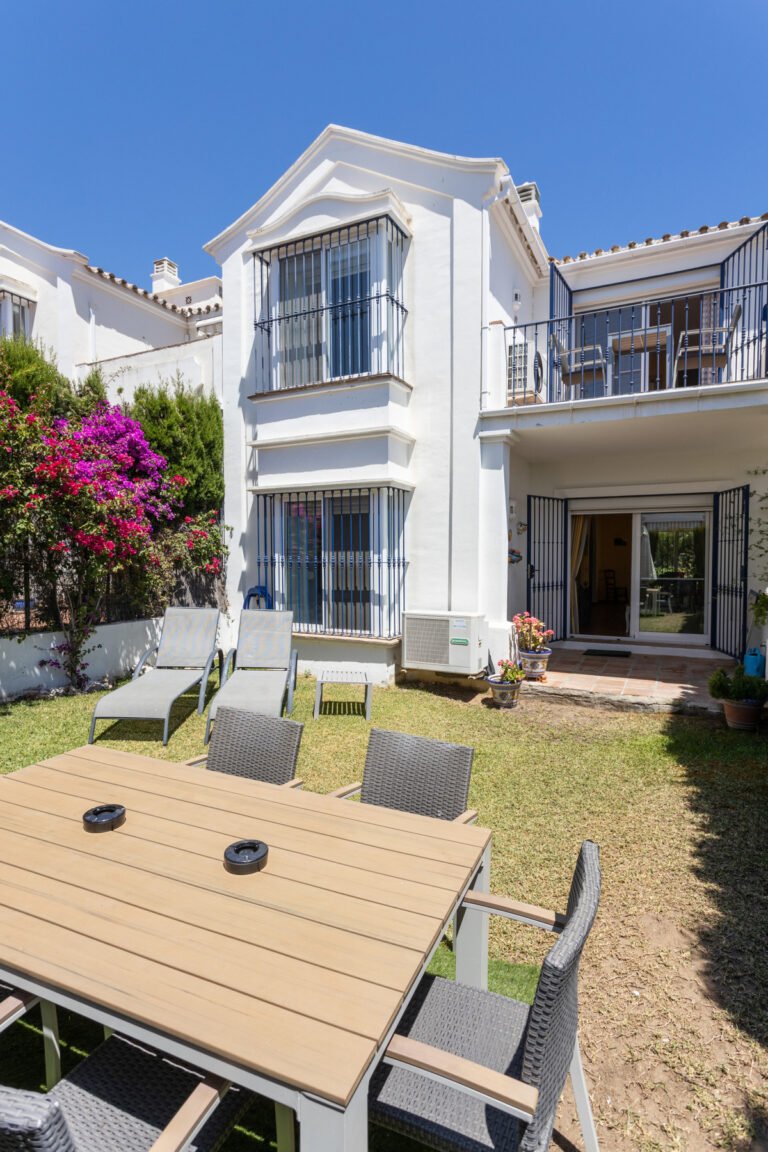
3-bedroom villa in San Pedro de AlcántaraFrom €1,050 per week
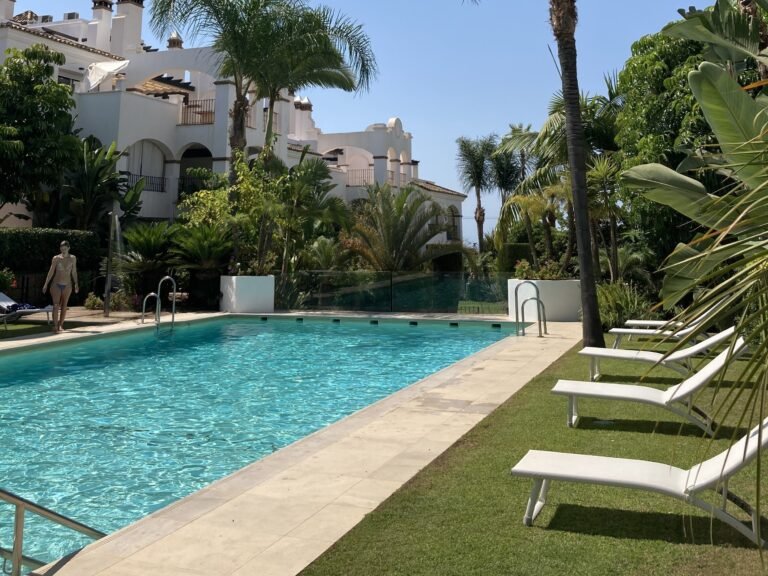
2-bedroom penthouse in Sierra BlancaFrom €1,800 per week
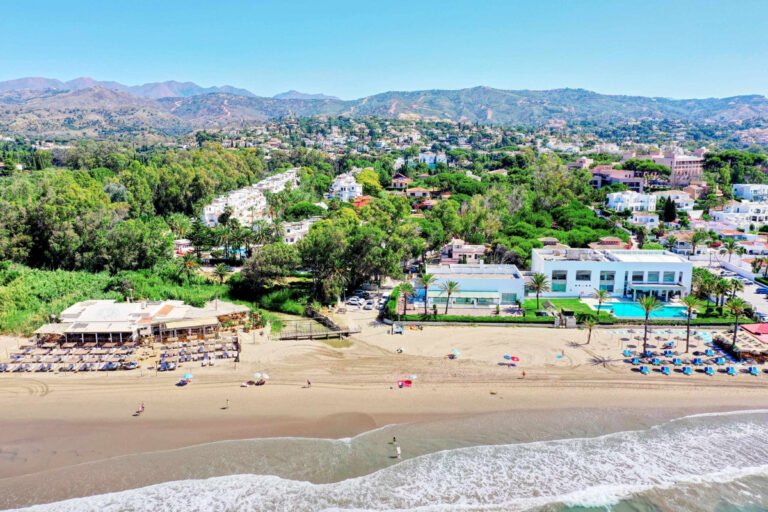
4-bedroom apartment in MarbellaFrom €1,155 per week
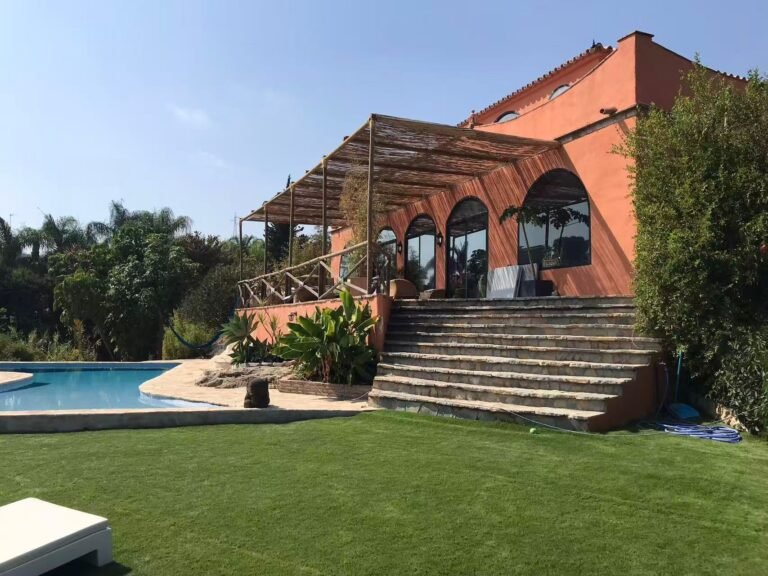
4-bedroom villa in BenalmadenaFrom €1,100 per week
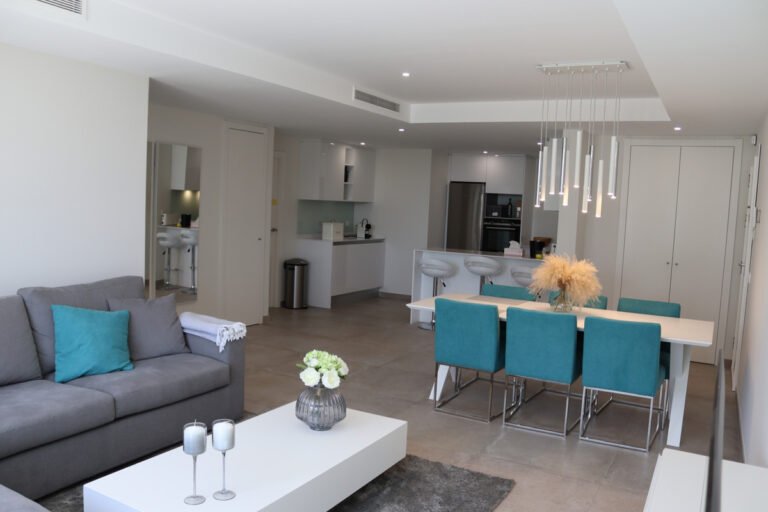
2-bedroom apartment in CanceladaFrom €1,000 per weekPARTNER
Living in Spain – or thinking about it?
News, practical guides and local services for internationals in Spain on NewInSpain.
Advertise your business here
Restaurants, car hire, cleaning and local services: reach travellers and holiday home owners in your area.
Own a holiday home in Spain?
List it on Spainholiday for a low fixed fee – no commission on your bookings.