At a tapas bar in Jerez, the wine arrives cold and pale in a small glass, while the plates on the counter are all salted almonds, olives and paper cones of fried fish. A few kilometres away, in Córdoba province, the same evening might call for a richer glass from Montilla-Moriles, with roasted peppers, jamón and that dry, sunlit flavour locals love with food. If you want to order with confidence, the key is simple: sherry montilla wine is not one style, but a family of wines with very different personalities.
Both come from Andalusia and both are part of everyday drinking culture, not just special-occasion bottles. The trick is to learn the names on the list, the dishes that suit them, and the one detail that changes everything in the glass: how much freshness or age you want.
Quick summary
Sherry and Montilla are cousins, but they do not taste identical. Sherry comes from the Marco de Jerez, where the coastal climate, chalky albariza soils and ageing under flor shape its distinctive character. Montilla-Moriles, meanwhile, is centred on Córdoba province and uses the sunbaked plains and local grape traditions to create wines that can feel gentler, rounder and more generous on the palate.
That difference matters when you are standing at a bar deciding what to drink with lunch. A brisk fino or manzanilla can wake up fried seafood and salmorejo, while a dry Montilla can suit grilled vegetables or a plate of jamón without overpowering them. For a deeper read on the role wine plays in everyday Spanish meals, see Spanish wine and how to drink it like a local and the wider tradition of tapas in Spain.
These are the easiest styles to recognise because they are pale, dry and brisk. Manzanilla is closely linked to Sanlúcar de Barrameda and often tastes a little more maritime, which is why locals love it with prawns, anchovies and other salty bites. Fino is the safer all-round choice if you are unsure what to order.
Once the wine gains more age and complexity, the flavours turn more nutty, toasted and layered. These are excellent with mature cheese, roasted vegetables, mushroom dishes and stronger tapas, especially if you are spending the evening slowly rather than racing from bar to bar.
Oloroso is fuller, darker and more direct, with enough weight to stand up to stews or rich meat dishes. Sweet styles are often poured at the end of a meal or with dessert, but many visitors find them best when tasted deliberately rather than as an afterthought.
If you want the quickest route to a good pairing, start with what Andalusians already order. A cold fino with almonds, olives or boquerones works because the wine cuts through salt and oil. Manzanilla feels especially good with seafood straight from the fryer, which is why you will see it so often at beach bars and around old port towns. For that kind of setting, chiringuitos and beach bars are a natural match.
Montilla tends to shine with tapas that have a little more sweetness or depth, such as roast pepper salads, mushrooms, artichokes, cured pork or manchego. If you are eating jamón ibérico, a dry, slightly broader glass can be more useful than a very sharp one, especially when the ham is properly sliced and not too cold. For a deeper look at the plate itself, see Serrano ham and jamón ibérico.
A useful rule at the bar
If the dish is salty, fried or seafood-based, start with the driest glass. If the dish is roasted, cured or slightly sweet, go for a wine with more age and body.
You do not need to know every style before you walk into a bar. In most places, a simple request works: ask for a dry one, ask what is best for the food you are eating, or point to the tapas and let the server steer you. In Andalucía, that conversation is part of the pleasure, and a good bartender will usually have a clear opinion.
If you are buying a bottle for home, look for the denomination on the label and check whether the wine is meant to be served chilled or slightly cooler than room temperature. If you plan to drink it over a few days, ask the shopkeeper how long it usually stays lively once opened. That detail matters more than the bottle shape.
The best tastings happen in places where the wine is part of daily life, not a staged tourist experience. In Jerez de la Frontera, Sanlúcar de Barrameda and El Puerto de Santa María, sherry appears on bar counters, in tabancos and at family lunches. In Córdoba province, Montilla and nearby towns give you a more local view of the Montilla-Moriles world, especially if you visit with time to stop for lunch rather than rushing through.
If you are planning a wine-focused trip, combine tasting with one good meal and one simple bar stop rather than trying to cover too much ground. You will understand the wines better when you see them alongside the food that locals actually eat with them. For a wider Andalusian road map, you may also like Seville: flamenco, the Alcázar and long evenings, where good bars and late dinners naturally make room for a glass or two.
Costs vary a lot depending on where you drink, whether the wine is poured by the glass or bought by the bottle, and whether you are tasting in a bar, shop or winery. Rather than relying on a fixed price, use the list as your guide: simpler styles are usually the easiest entry point, while older wines and guided tastings cost more.
| What you are paying for | What affects it |
|---|---|
| A glass in a bar | Location, style, and whether it is a house pour or a named bodega |
| A bottle for home | Age, brand, and whether it is a supermarket wine or cellar selection |
| A tasting | How many wines are included, whether food is served, and if a guide leads it |
| A winery visit | Whether it is self-guided or includes a tour and tasting |
Timing is also flexible. You can taste these wines at lunch, early evening or with a long tapas session, but they are at their most natural when they arrive with food rather than as a standalone drink. In hotter months, ask for them properly chilled; in cooler weather, a slightly fuller style can feel more comfortable.
Check local rules before you go far
If you are visiting wineries, buying alcohol in quantity, or planning a food-and-wine route, remember that opening hours, booking rules and tasting formats can change. For producers, sellers and hosts, regional rules can also differ across Andalusia, so check with the relevant town hall or regional authority if you need legal or commercial guidance.
Local services in Andalusia
They are both Andalusian fortified wines, but they come from different areas and often taste different in body and freshness. Sherry is tied to the Jerez area, while Montilla-Moriles comes from Córdoba province and can feel rounder and softer.
Start with fino or manzanilla if you want a dry, fresh wine that works well with tapas. They are the easiest styles to understand and the most useful with salty snacks.
It can, especially with grilled or lightly seasoned seafood, but many people prefer sherry's sharper styles with fried fish and shellfish. Montilla often works best with richer tapas and cured foods.
Dry styles are usually best chilled, especially in warm weather. Older, fuller wines can be served a little less cold so their nutty and toasted notes come through.
Yes, often you can, but the selection may be basic. For better advice and a wider range, a specialist wine shop or a good local bar is usually more useful.
If you are simply serving wine to guests as part of hospitality, the issue is usually different from running a business. If you want to sell alcohol commercially, check the rules with the town hall and regional authority before you do anything.
Discover Spain with Spainholiday
We share engaging articles on Spanish culture, food, sights and practical tips to help make your holiday even better.
👉 Like us, share our articles and keep following us for more inspiration for your next Spanish adventure!
Holiday homes on Spainholiday
1-bedroom penthouse in MarbellaFrom €1,175 per week
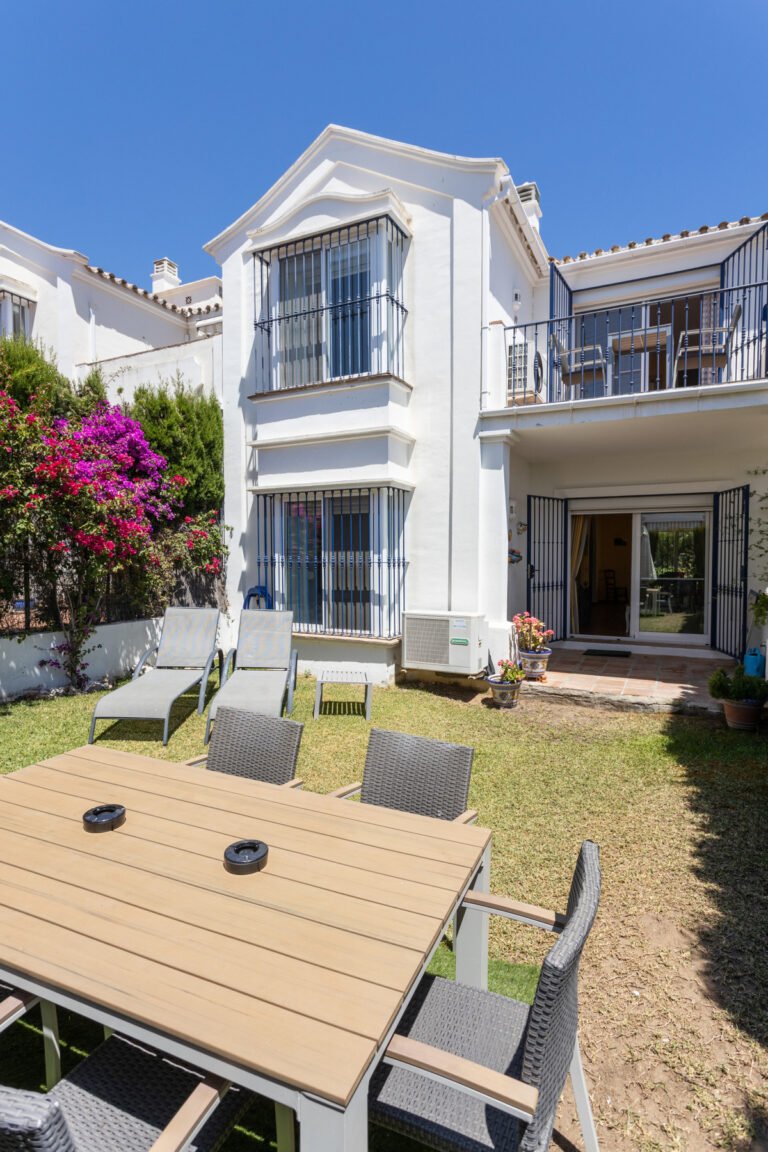
3-bedroom villa in San Pedro de AlcántaraFrom €1,050 per week

2-bedroom penthouse in Sierra BlancaFrom €1,800 per week

4-bedroom apartment in MarbellaFrom €1,155 per week

4-bedroom villa in BenalmadenaFrom €1,100 per week
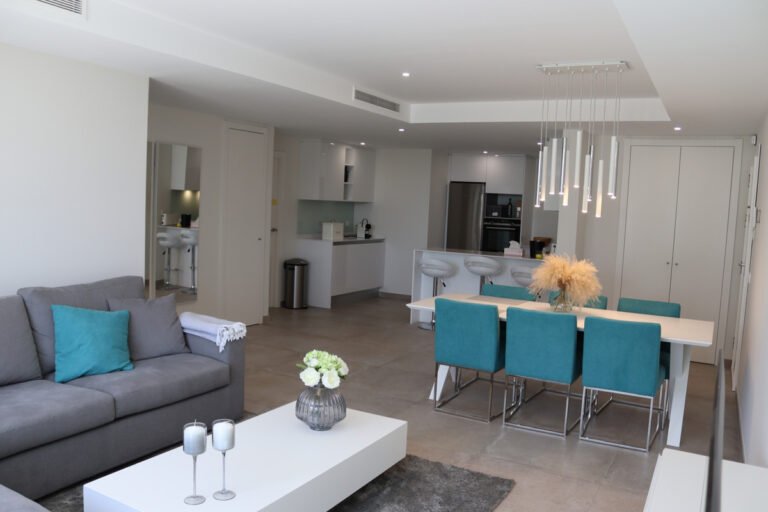
2-bedroom apartment in CanceladaFrom €1,000 per weekPARTNER
Living in Spain – or thinking about it?
News, practical guides and local services for internationals in Spain on NewInSpain.
Advertise your business here
Restaurants, car hire, cleaning and local services: reach travellers and holiday home owners in your area.
Own a holiday home in Spain?
List it on Spainholiday for a low fixed fee – no commission on your bookings.