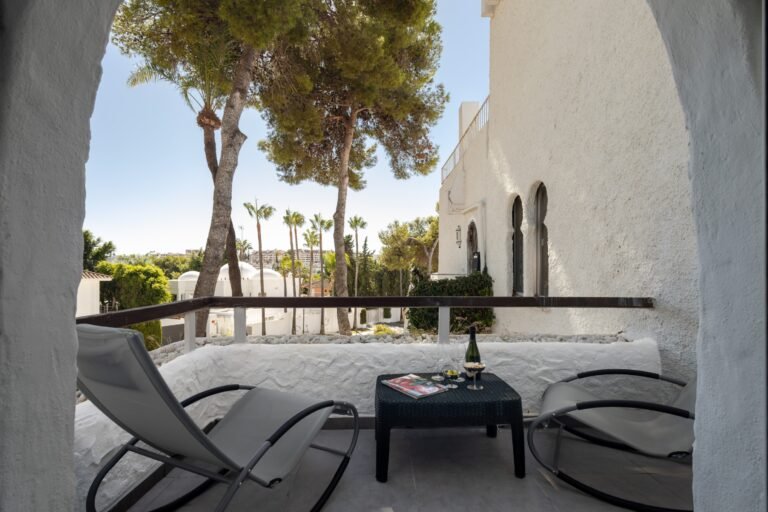
The best remote-work setup in Spain is often the least glamorous one: a plain white table near a window, a reliable router humming in the corner, and a café downstairs that opens early enough for a second coffee. If you get those basics right, a holiday home can work beautifully for video calls, focused writing and long stays between beach walks or market runs.
The trap is assuming that any listing with "wifi" in the description is automatically work-ready. In Spain, connection quality can vary wildly from one street to the next, and rural homes, top-floor flats and beach apartments can all have different realities once everyone in the building is online at the same time.
Quick summary
The phrase to watch for is not "wifi" but stability. Ask whether the property has fibre, and whether the router supports both 2.4 GHz and 5 GHz bands. For calls, the more important question is not peak speed but whether the connection stays steady at the desk, in the bedroom and on the terrace if that is where you plan to work.
If you are staying in a holiday apartment near the coast, remember that summer is the hardest test. The line may be fine in the morning and sluggish once neighbours, families and short-stay guests all switch on devices in the evening. A recent speed test screenshot is much more useful than a generic phrase in the listing.
A sea view is pleasant until the sun hits your screen at 11:00 or the shutters rattle in the wind. Before you book, ask where you would actually sit for a full day, whether there is a proper chair, and whether the property has enough plug sockets near the work area. Small things matter: a lamp, an extension lead and a place to leave your laptop overnight can make the stay feel organised rather than improvised.
If you are travelling with a monitor, external keyboard or second laptop, check the table size and luggage storage as well. Some holiday homes are perfect for a week of relaxed email admin, but not for someone who needs a dual-screen setup and a quiet corner for calls.
Spain has a growing coworking scene, especially in places with year-round international residents such as Málaga, Valencia, Alicante, Barcelona and parts of the Balearics and Canary Islands. In smaller coastal towns, you may find fewer formal spaces, but often there is still a practical mix of cafés, shared offices and business centres if you ask locally.
This is where the holiday-home model can work very well. You get a private place to sleep and cook, then use a coworking space for the days when you need silence, meeting rooms or a stronger social buffer. If you are deciding between that and a hotel, holiday home or hotel: which suits your trip? is a useful place to compare the two formats from a practical angle.
A café can also work if you are discreet, buy something regularly and do not monopolise a table through lunch. In Spain, a long laptop session is more acceptable in some neighbourhood spots than in busy beach bars, where owners want tables turning over quickly, especially at peak mealtimes.
Coworking is most useful when your home internet drops, you have a day of calls, or the apartment is too hot to concentrate. Look for flexible passes, quiet work areas and rooms you can book in advance, especially if you are planning interviews, client meetings or workshops.
If you are wintering in Spain for several weeks, the logic is even stronger. A stable base, a regular desk and a place to meet people can stop remote work from turning into a lonely routine, which is why this article links naturally with wintering in southern Spain: a guide to long stays for over-55s.
Those questions are worth asking even if the listing looks polished. Good remote-work hosts usually answer clearly and quickly, and the best ones will tell you honestly if their home suits light email work rather than full-time online meetings.
For a short holiday stay, the paperwork is usually simple: ID or passport, booking details and payment confirmation. For longer stays, or if you are combining work with a rental that may fall under local registration or licensing rules, you should check the requirements with the town hall or regional authority, because they differ across Spain.
If you are bringing expensive equipment, it is also worth checking your insurance cover for theft, accidental damage and work-from-abroad use. A holiday home can be a comfortable office, but it is still someone else’s property and the usual common-sense rules apply: lock doors and windows, keep devices out of sight, and do not leave bags in a parked car.
Remote work does not add much bureaucracy on its own, but the practical costs can change quickly depending on the town, the season and how much stability you need. The table below gives a realistic way to think about the trade-offs.
| Item | What to expect |
|---|---|
| Holiday home wifi | Often included, but quality varies. Always confirm the actual setup before booking. |
| Coworking access | Usually flexible, from day passes to monthly access, depending on the town and the space. |
| Mobile data backup | Useful as a spare connection, especially if you rely on calls or upload large files. |
| Long-stay admin | Can be simple for guests, but local rental and registration rules may need checking before arrival. |
Processing times are not the main issue here; reliability is. A connection that works today but fails during a week of calls is more expensive than a slightly better place with a stronger setup. If you need help choosing a base, where to stay on the Costa del Sol: choosing the right town for you is useful for comparing towns by pace, transport and day-to-day practicality.
The other mistake is overplanning every hour. One reason people choose Spain for remote work is that a better rhythm is possible here: work early, break at midday, then finish later when the light softens. If your schedule allows it, that pattern can make a holiday home feel less like an office and more like a place you genuinely live in.
Keep calls away from the hottest room of the day, close shutters before the sun hits the apartment, and test your connection in the exact place where you will sit for meetings. If you need a meal between calls, Spain’s long lunch rhythm can work in your favour, which is why menú del día: how Spain’s set lunch works and where to find a good one is useful for anyone planning a working day around food.
And if you are working from a coastal town for several weeks, get outside properly. Walk early, swim when the sea is calm, or use the late afternoon for errands and phone-free time. A holiday home works best when it supports your routine instead of trying to replace your office exactly.
Usually yes, if you need a proper kitchen, more space and a calmer routine. A hotel can be easier for short stays, but a holiday home gives you more control over your work setup.
Ask for the internet provider, the connection type and a recent speed test from the room where you will work. If you rely on video calls, ask for a backup option too.
If you have important calls or a full working week ahead, yes. In bigger cities and popular coastal towns, the best spaces can fill up quickly in high season.
Sometimes, but it depends on the café and the time of day. Be considerate: buy regularly, avoid peak lunch hours in busy places, and do not expect every bar to function as an office.
For most short stays as a guest, no special permit is needed on your side. If you are staying long term or using a rental in a way that raises local registration questions, check the rules with the town hall or regional authority.
Assuming that a beautiful view means a workable office. In practice, the desk, noise level, daylight and connection stability matter much more than the view from the balcony.
Discover Spain with Spainholiday
We share engaging articles on Spanish culture, food, sights and practical tips to help make your holiday even better.
👉 Like us, share our articles and keep following us for more inspiration for your next Spanish adventure!
Holiday homes on Spainholiday
1-bedroom penthouse in MarbellaFrom €1,175 per week
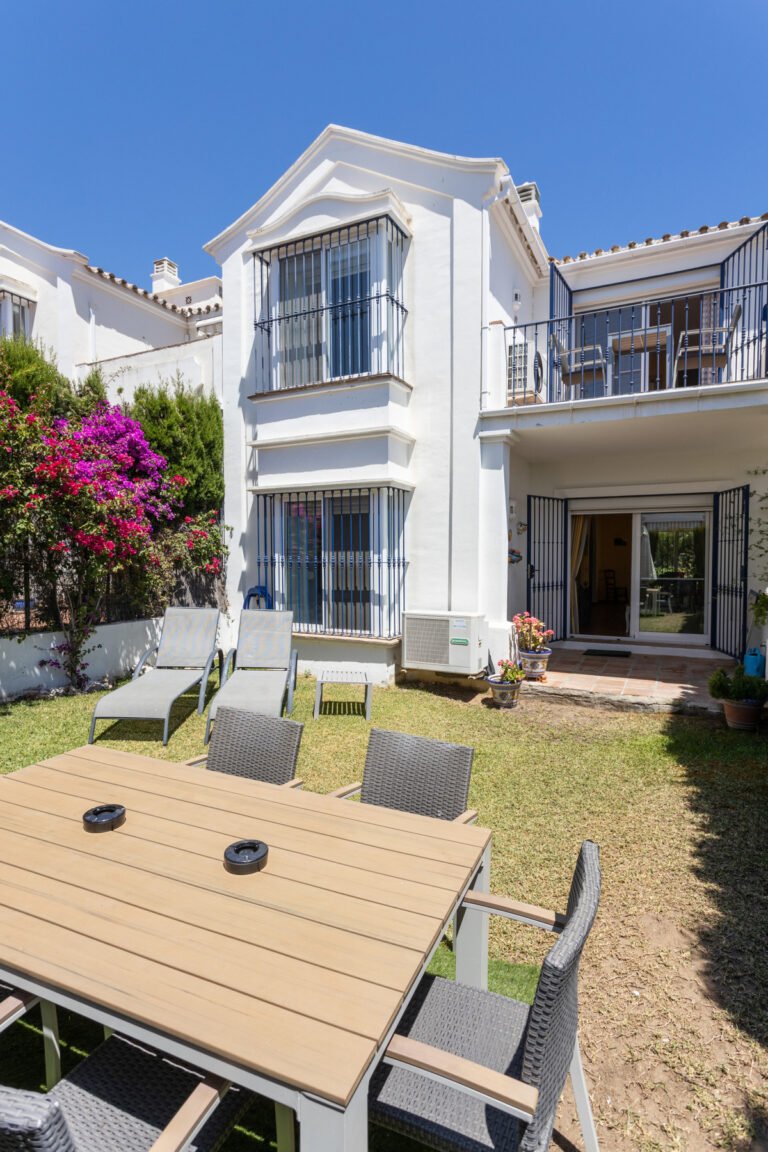
3-bedroom villa in San Pedro de AlcántaraFrom €1,050 per week
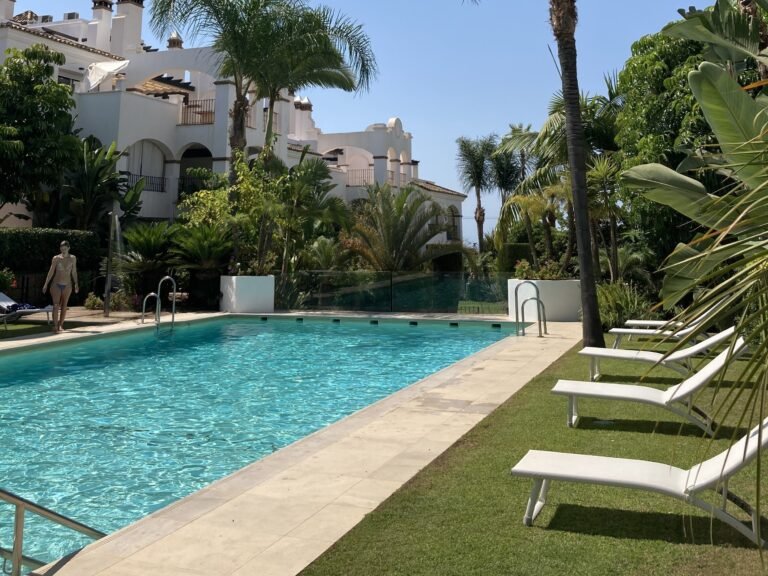
2-bedroom penthouse in Sierra BlancaFrom €1,800 per week

4-bedroom apartment in MarbellaFrom €1,155 per week
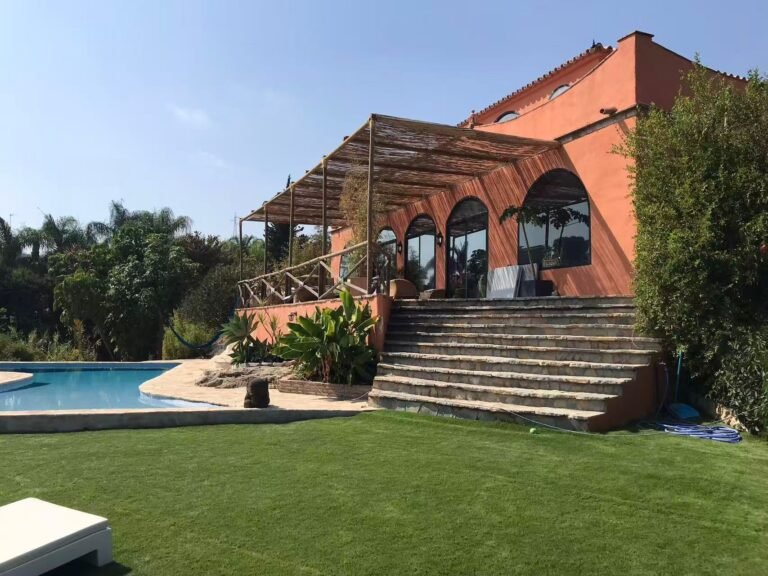
4-bedroom villa in BenalmadenaFrom €1,100 per week
2-bedroom apartment in CanceladaFrom €1,000 per weekPARTNER
Living in Spain – or thinking about it?
News, practical guides and local services for internationals in Spain on NewInSpain.
Advertise your business here
Restaurants, car hire, cleaning and local services: reach travellers and holiday home owners in your area.
Own a holiday home in Spain?
List it on Spainholiday for a low fixed fee – no commission on your bookings.