At mid-morning, when the stones around the old town begin to hold the heat, Málaga feels made for an indoor plan. You slip from a sunlit square into a cool gallery, then out again for coffee, a shaded lunch and another museum before the afternoon glare peaks.
That is the real charm of Málaga museums: they are close together, easy to combine and varied enough to suit a whole day. If you like art, archaeology, glass, photography or a strong local story, you can build your own route without spending the day on transport.
Good to know
Málaga Airport is the main arrival point, with train, bus, taxi and car hire options into the centre. The historic core is best done on foot, while buses and taxis make it easy to reach places a little farther out.
The best museum day is usually a warm or very sunny one, especially outside the main holiday rush. In summer, start early, take a long lunch in the shade and check opening days before you go, because some museums close one weekday.
Parking in the centre can be awkward and expensive, so leave the car outside the busiest streets if you can. If you are driving, this guide to parking rules in Spain will save you a fine.
If you only have room for one museum, make it the Picasso Museum in the old town. The building itself is part of the pleasure, and the route there through Calle San Agustín and the lanes around the cathedral sets you up for a slower day in the centre.
Go early, before the nearby cafés fill up, and then keep the museum in context with a walk past the nearby streets that shaped Picasso’s Málaga. For a fuller city break, pair it with a guide to Málaga day trips later in the trip, but keep this day for the city itself.
Just a short walk away, the Carmen Thyssen Museum gives you a very different mood. Its strength is Spanish painting from the 19th century, especially scenes of daily life, local customs and the country’s changing cities and countryside.
It works well after Picasso because the pace changes from modern experimentation to something more recognisable and grounded. If you like seeing how Spanish art reflects ordinary life rather than only big names, this stop is worth your time.
For a completely different setting, head down to the port and the Pompidou Centre Málaga. The cube at Muelle Uno is one of the easiest museum landmarks to spot in the city, and the art inside gives you a sharper, more contemporary edge than the old-town museums.
This is a good stop when you want to mix culture with a sea breeze. Afterward, sit on the harbour side with a drink or keep walking along the waterfront; if you are planning a beach lunch, this guide to chiringuitos will help you order better than the average tourist.
The Pompidou is especially useful on hot days because you can pair it with an easy harbour walk and a late lunch rather than pushing through the centre at noon. If you are travelling with children, the open space around Muelle Uno also gives them room to move between stops.
The only downside is that the area can feel busy at peak times, especially when cruise passengers are in port. If you want a calmer experience, aim for earlier in the day and keep your museum visit before the seafront fills up.
CAC Málaga is the place to go if you prefer contemporary work and do not want a classical museum day. It tends to attract visitors who enjoy art without too much ceremony, and it fits nicely into a route through the neighbourhood streets nearby.
This is one of the best places in the city to slow down without feeling trapped in a formal itinerary. It also gives you a sense of how Málaga keeps building a modern cultural scene rather than living only on its historic reputation.
Museo de Málaga, in the old customs building, brings archaeology and fine arts under one roof. If you like understanding a place from the ground up, this is the museum that fills in the layers: Roman remains, local history and works that help explain Andalusia beyond the postcard view.
It is a strong choice if rain catches you by surprise or if you want one longer stop instead of several shorter ones. It also works well for travellers who want more context before exploring the wider province.
The Glass and Crystal Museum is smaller, quieter and more personal than the headline attractions, which is part of its appeal. Housed in a historic building, it feels like a private conversation with objects rather than a grand public statement.
Because it is compact, it suits a day when you want one or two substantial museums and a few calmer stops in between. It is also a good reminder that Málaga’s museum life is broader than the famous names on every shortlist.
The Museo Automovilístico y de la Moda is a neat detour if your idea of a museum day includes design, engineering and old cars. It sits away from the densest tourist streets, so it can feel pleasantly different from the centre’s art circuit.
This is the kind of place that often gets missed by first-time visitors, which is a pity if you like strong visual displays. It also works well on a grey day, when the port and the promenade lose a little of their shine.
Do not try to rush Málaga museums back to back without a pause. The city works better when you build in a long lunch, ideally in the centre or near the port, and keep the afternoon flexible.
If you want a classic midday meal, have a look at menú del día first, because many places in Spain still run on that rhythm. It is the simplest way to avoid overpaying in the most obvious tourist streets.
The smartest museum route in Málaga is the one that keeps walking distances short and leaves room for the city around the art. A good pattern is old town in the morning, lunch, then the port or a second museum in the afternoon.
If you are staying longer, use museums as anchors and then build the rest of your trip around them: a beach walk, a late coffee, a short hop to the harbour or even a day outside the city. For practical transport details, this airport guide is useful before you book your base.
Málaga rewards travellers who move at the city’s pace, not the other way round. Start with one museum you really want to see, then let the rest of the day breathe around it.
Yes, but choose wisely. Two or three museums is realistic if you also want coffee, lunch and time to walk between them without rushing.
The Picasso Museum is the safest first choice for most visitors. If you prefer contemporary art, the Pompidou is the better fit.
No. The central museums are walkable, and the port area is easy to reach on foot or by taxi. A car is more trouble than it is worth in the centre.
Absolutely. They are one of the best ways to escape the heat for a few hours, especially if you start early and keep lunch in the shade.
If you own a property and want to rent it short term, check the current requirements with the town hall and the regional authority because rules and fees vary by area. Do not rely on old advice from forums.
Discover Spain with Spainholiday
We share engaging articles on Spanish culture, food, sights and practical tips to help make your holiday even better.
👉 Like us, share our articles and keep following us for more inspiration for your next Spanish adventure!
Holiday homes on Spainholiday
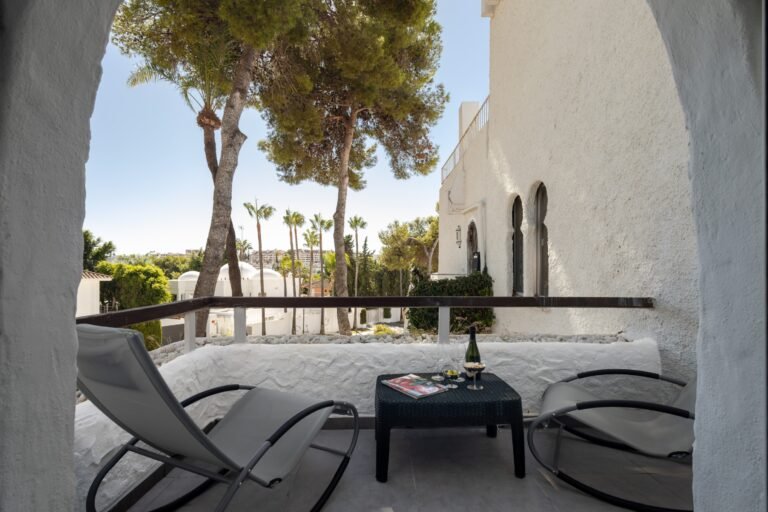
1-bedroom penthouse in MarbellaFrom €1,175 per week
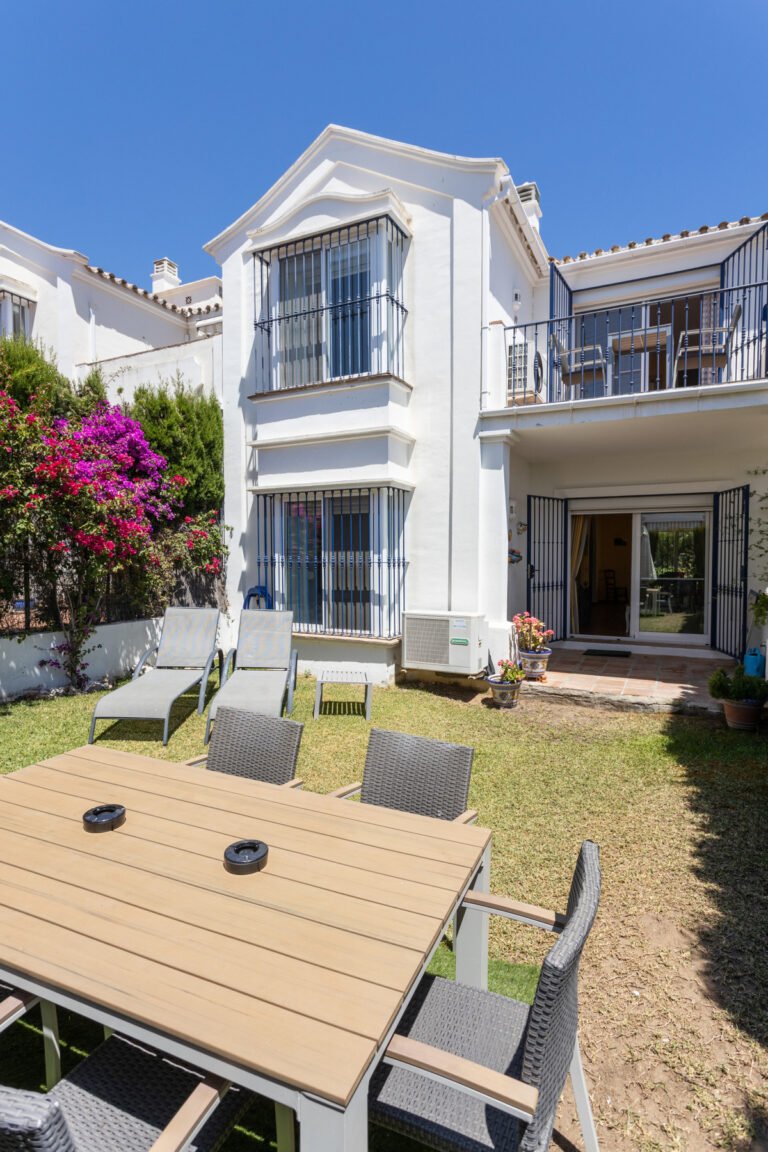
3-bedroom villa in San Pedro de AlcántaraFrom €1,050 per week
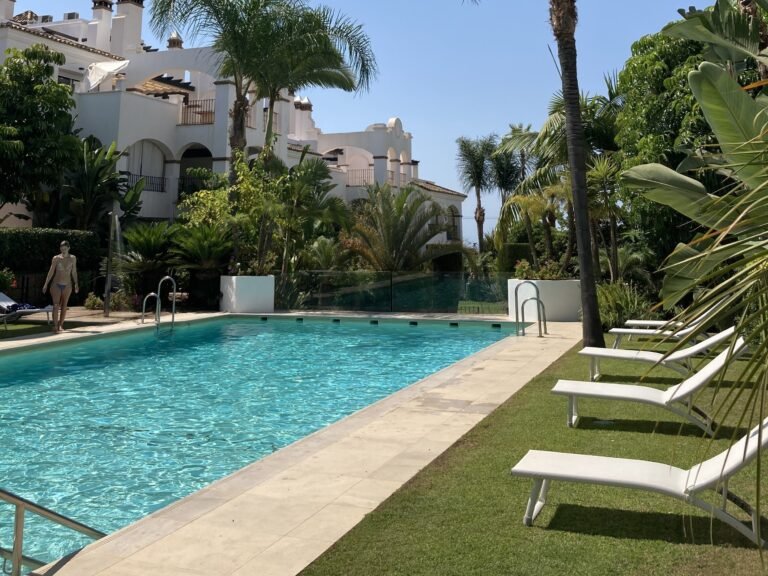
2-bedroom penthouse in Sierra BlancaFrom €1,800 per week
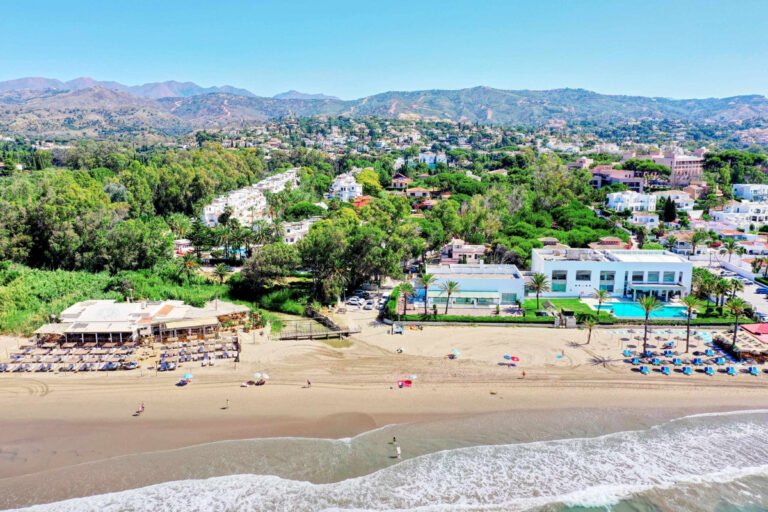
4-bedroom apartment in MarbellaFrom €1,155 per week
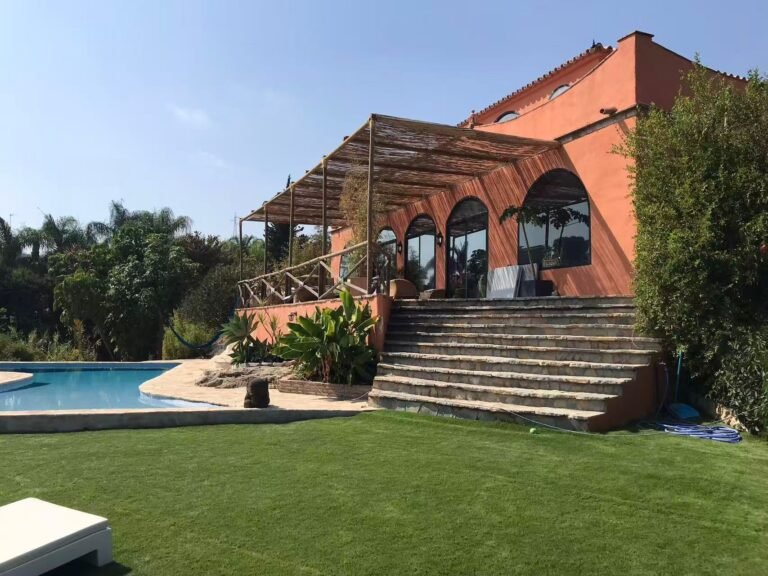
4-bedroom villa in BenalmadenaFrom €1,100 per week
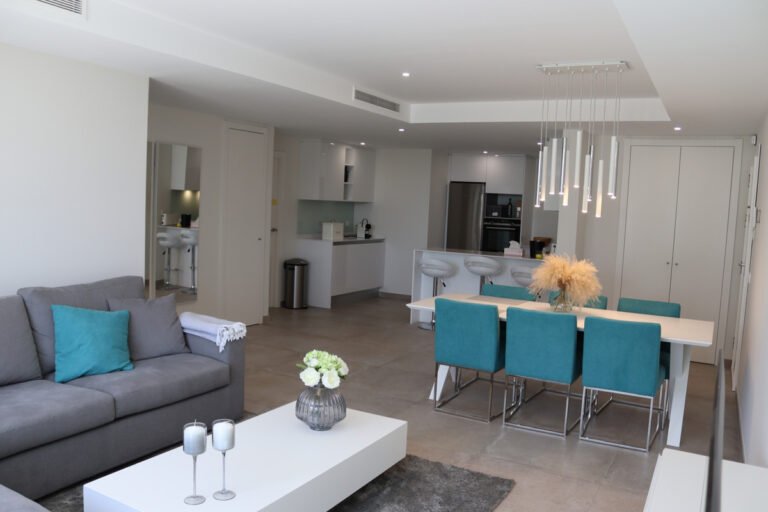
2-bedroom apartment in CanceladaFrom €1,000 per weekPARTNER
Living in Spain – or thinking about it?
News, practical guides and local services for internationals in Spain on NewInSpain.
Advertise your business here
Restaurants, car hire, cleaning and local services: reach travellers and holiday home owners in your area.
Own a holiday home in Spain?
List it on Spainholiday for a low fixed fee – no commission on your bookings.