A wedge of cheese, a slice of bread, a thin green-gold pour of olive oil: in Spain, that can be a whole meal. The flavours change fast as you travel, because climate, pasture and tradition all leave a mark on what ends up on the plate.
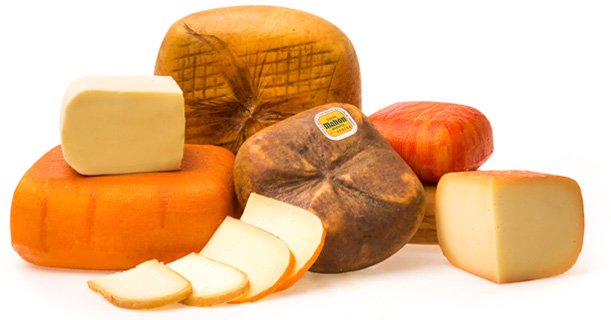
Spain has a wide range of cheeses, but a few names come up again and again. Some are made for everyday eating, others for special occasions, yet all of them carry a clear sense of place.
Manchego is the best-known Spanish cheese, made from the milk of Manchega sheep on the dry plains of La Mancha. It is firm and compact, with a mild nutty flavour when young and a sharper, more saline edge when aged as curado.
Eat it on its own, with tapas, or shaved into salads and soups. If you like contrast, it also works well with a glass of red wine or a few olives.
Cabrales is a blue cheese from Asturias, traditionally matured in limestone caves in the Picos de Europa. It is dense and creamy, with a strong, spicy taste that turns more assertive the longer it matures.
Locals often pair it with cider, honey or membrillo, the sweet quince paste you will see on many Spanish cheese boards. It also melts well into sauces or onto warm bread.
Mahón comes from Menorca and is made with cow’s milk. It ranges from semi-hard to hard, with a buttery texture, a slightly salty finish and a gentle fruity note that becomes more pronounced with ageing.
Try it grated over pasta, tucked into sandwiches or served with cured meats and olives. Its flavour is easy to like, which makes it a useful cheese to keep in the fridge at a holiday home.
Good to know
Spanish cheeses are often sold by age rather than style alone, so ask for fresco, tierno or curado if you want something young, semi-mature or mature.
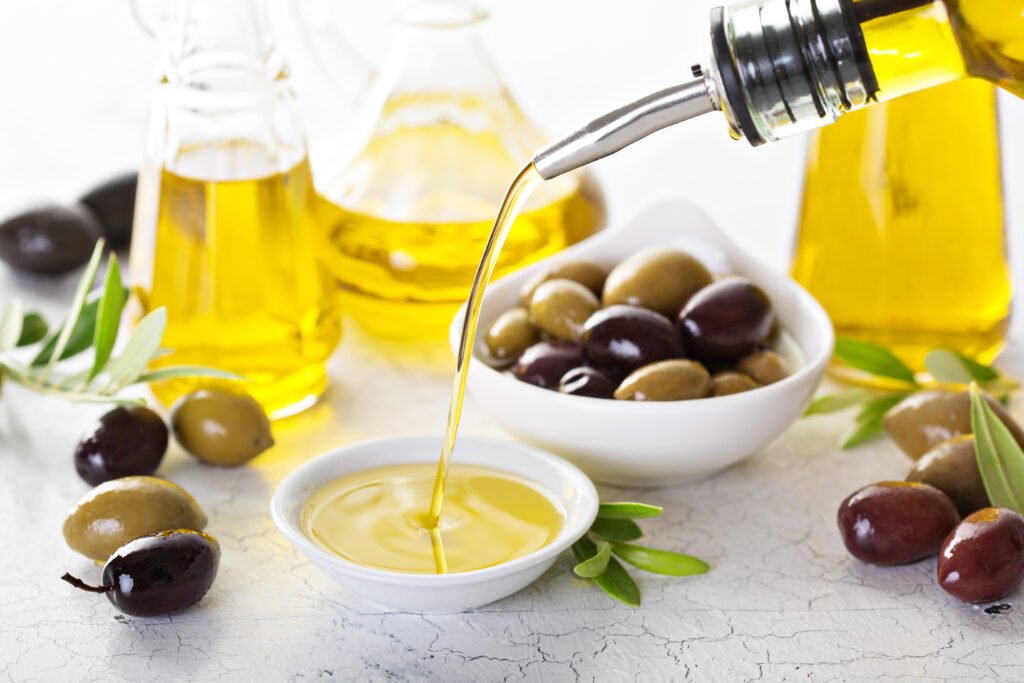
Spain is the world’s biggest producer of olive oil, and the main varieties taste very different from one another. The oil you choose can change a simple tomato salad, a pan of vegetables or a slice of toast with almost no effort at all.
Andalusian oils are versatile, which is why they show up in everything from frying pans to salad bowls. If you want one bottle for daily cooking, this is usually the most practical place to start.
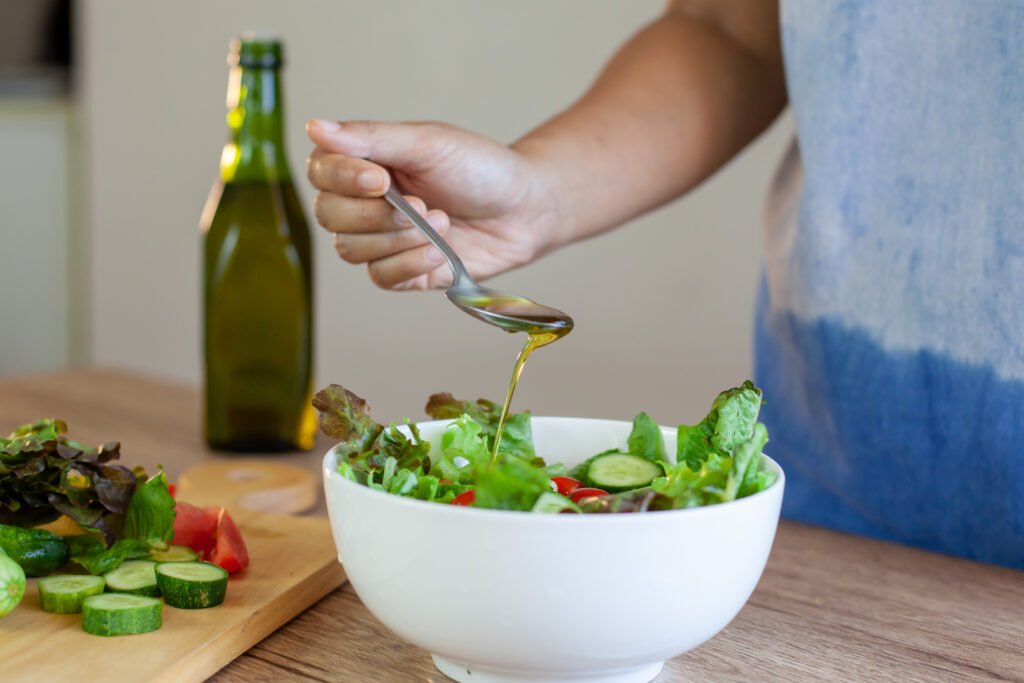
This style is best when you want the oil to stay in the background. Use it on salads, vegetables or as a finishing oil when you do not want to overpower the dish.
Cornicabra works well for cooking, but it is also good raw in dressings and marinades. It is one of those oils that feels at home on rustic bread as much as in a pan.
These oils are often chosen to lift traditional dishes rather than hide them. Pour them over grilled vegetables, simple fish or anything served with good bread.
In Spain, the easiest way to compare flavours is to keep it simple. Taste cheese with bread, fruit or membrillo, then try the same oil on tomatoes, vegetables or toast so you can notice the difference between varieties.
If you are shopping for a holiday home, buy a small selection instead of one large bottle or block. You will learn more, waste less, and have better ingredients for quick meals after a day out.
Before you buy, one practical point matters: regional food traditions are local, but rental and business rules differ by region too. If you plan to rent out a home in Spain, check the latest requirements with the town hall or regional authority.
For visitors, the same advice applies to shopping trips and tastings: ask locally, because labels and habits can vary from one area to the next.
Manchego is usually the easiest starting point. Young Manchego is mild and nutty, while aged Manchego is firmer and more flavourful.
Cabrales is the strongest of the three cheeses mentioned here. It is a blue cheese with a bold, spicy taste.
Andalusian olive oils, especially Picual, are a good everyday choice because they are robust and versatile. They work well for frying, roasting and dressings.
Arbequina is the lightest and softest option in this guide. It is a good fit for salads, vegetables and finishing dishes.
Yes. Rental rules and fees can differ by region, so check with the town hall or regional authority before listing a property.
Discover Spain with Spainholiday
We publish lively pieces on Spanish culture, food, sights and practical travel tips to help you make the most of your trip.
👉 Like us, share our articles and follow us for more ideas for your next Spain getaway!
Local partners
Holiday homes on Spainholiday
PARTNER
Living in Spain – or thinking about it?
News, practical guides and local services for internationals in Spain on NewInSpain.
Advertise your business here
Restaurants, car hire, cleaning and local services: reach travellers and holiday home owners in your area.
Own a holiday home in Spain?
List it on Spainholiday for a low fixed fee – no commission on your bookings.