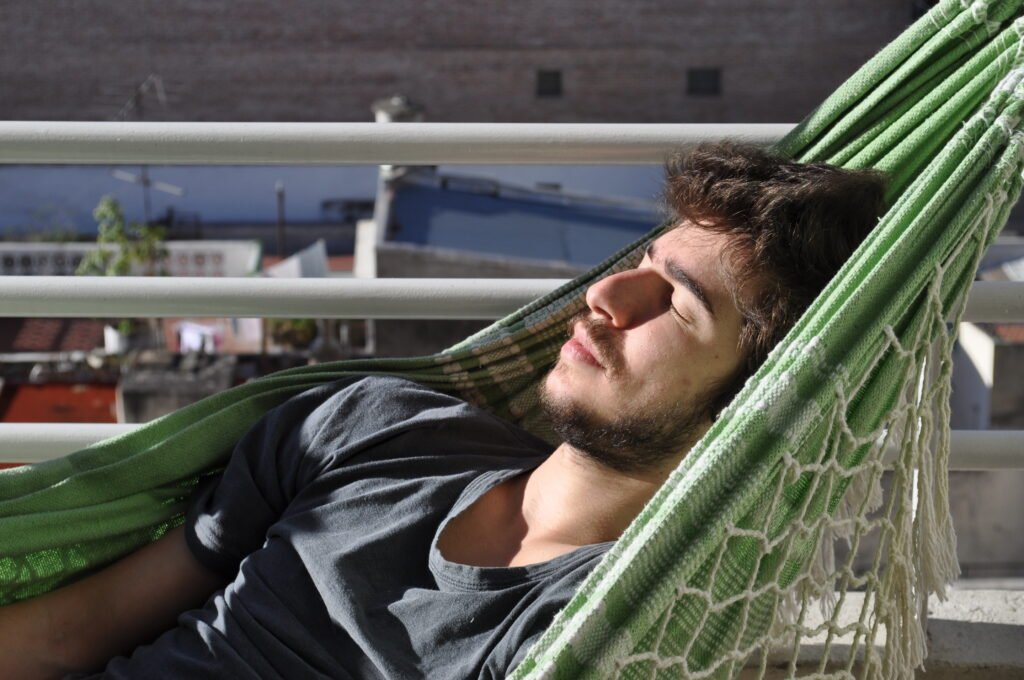
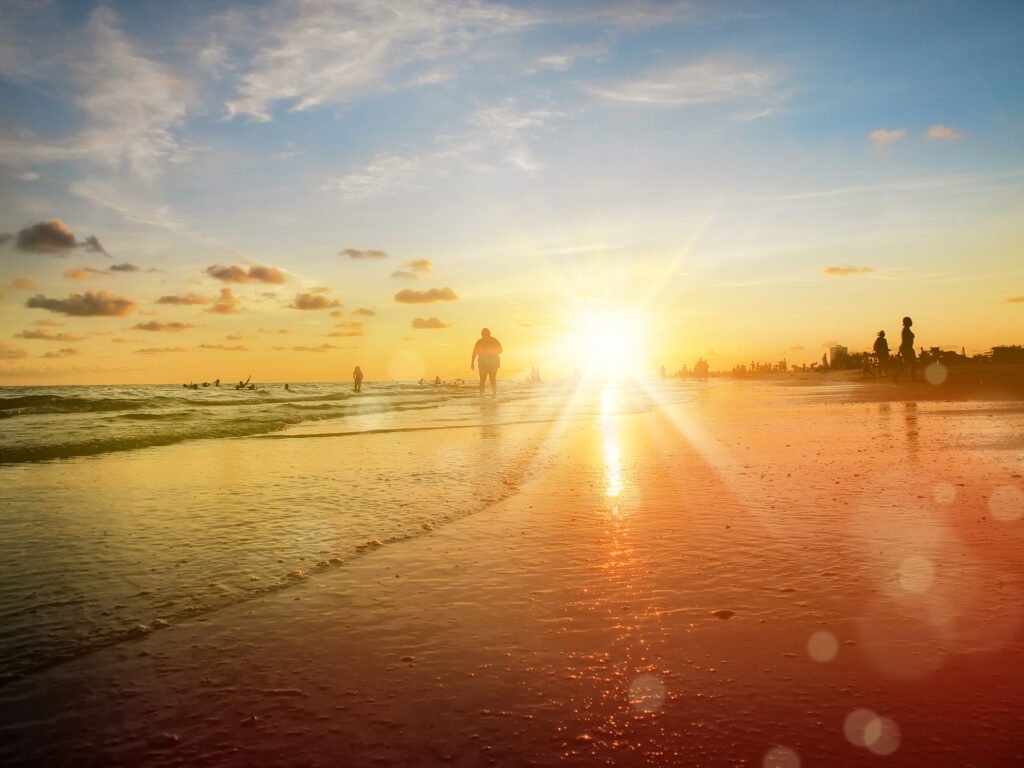
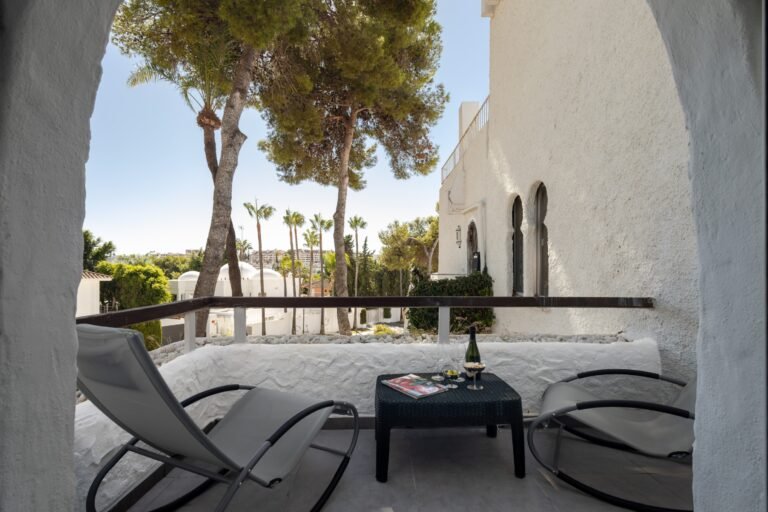
When the sun sits hard over the rooftops and the heat starts to press down, Spain changes pace. The streets thin out, shutters come down, and people head indoors for a break that is as much about surviving the heat as it is about resting. That pause is the siesta.
The word siesta comes from Latin, from *sexta hora* — the sixth hour — and originally meant a rest in the middle of the day. Traditionally it falls between about 2 p.m. and 5 p.m., when the sun is at its strongest and the heat feels heaviest.
A siesta is not always a nap, even if that is how many people picture it. For many Spaniards, it is simply a pause: time to cool down, eat properly, and reset before the afternoon and evening begin again.
The old image of an entire country asleep after lunch belongs more to the past than to everyday life now. Modern working hours, international business and global routines have pushed many Spaniards into a schedule that looks much closer to the rest of Europe.
Even so, the tradition still survives, especially in small villages and in hotter parts of the country such as Andalusia, Extremadura and Castilla-La Mancha. There, shops, banks and public offices often close for a few hours in the middle of the day and reopen later in the afternoon.
In big cities like Madrid, Barcelona and Valencia, a full siesta is less common, but the rhythm is still there. Lunch remains the main meal of the day, the working day can be split into two parts, and evenings stretch late into the night.
The siesta is more than a short sleep. It says a lot about how daily life is organised in Spain, especially when the weather is hot and the day is long.
The siesta has shaped Spanish life for decades, and you can still feel that in the way the day unfolds.
Not everyone sees the siesta as a good thing. Critics argue that long midday breaks reduce productivity and make the working day unnecessarily long. There have also been political discussions about changing or ending the tradition so that Spain follows the rest of Europe more closely.
Still, the siesta is hard to remove. It is deeply rooted in Spanish culture, and many Spaniards see it as part of who they are.
If you are visiting Spain, the siesta affects everyday planning more than you may expect. A quiet midday street does not mean a town is closed for the day; it usually means people are waiting for the heat to ease.
For holidaymakers, that means planning errands, shopping and sightseeing around the midday pause. For owners of holiday homes, it is worth remembering that in many places the afternoon and evening are the real social hours, when life outside picks up again.
Good to know
In many parts of Spain, especially in warmer regions, shops, banks and public offices may close for a few hours in the middle of the day and open again later.
For visitors, the siesta can feel inefficient at first glance. But there is a useful idea behind it: slow down when the body or the weather asks you to.
It is a reminder that not everything needs to happen at full speed. Rest matters, lunch matters, and the afternoon does not have to be rushed.
Breathe in, breathe out. Tomorrow is still tomorrow. For now, it is siesta time.
In many smaller towns and hotter regions, yes, some shops, banks and public offices still close for a few hours in the middle of the day. In larger cities, it is less common, but you may still notice a quieter midday rhythm.
Not necessarily. A siesta can mean a short sleep, but it often just means a break from the midday heat before the day continues.
It is most visible in smaller villages and in warmer regions such as Andalusia, Extremadura and Castilla-La Mancha. In big cities, the tradition is weaker, though the daily rhythm still reflects it.
Do your shopping and practical errands in the morning, and expect a slower pace in the early afternoon. Use the quieter hours for lunch or a rest, then plan to go out again later in the day.
Yes. Rules and fees for rentals differ by region, so owners should always check with the town hall or regional authority before listing or renting out a home.
Discover Spain with Spainholiday
We share lively articles on Spanish culture, food, sights and practical tips to make your holiday even better.
👉 Like us, share our articles and keep following along for more inspiration for your next Spain trip!
Local partners
Holiday homes on Spainholiday
1-bedroom penthouse in MarbellaFrom €1,175 per week
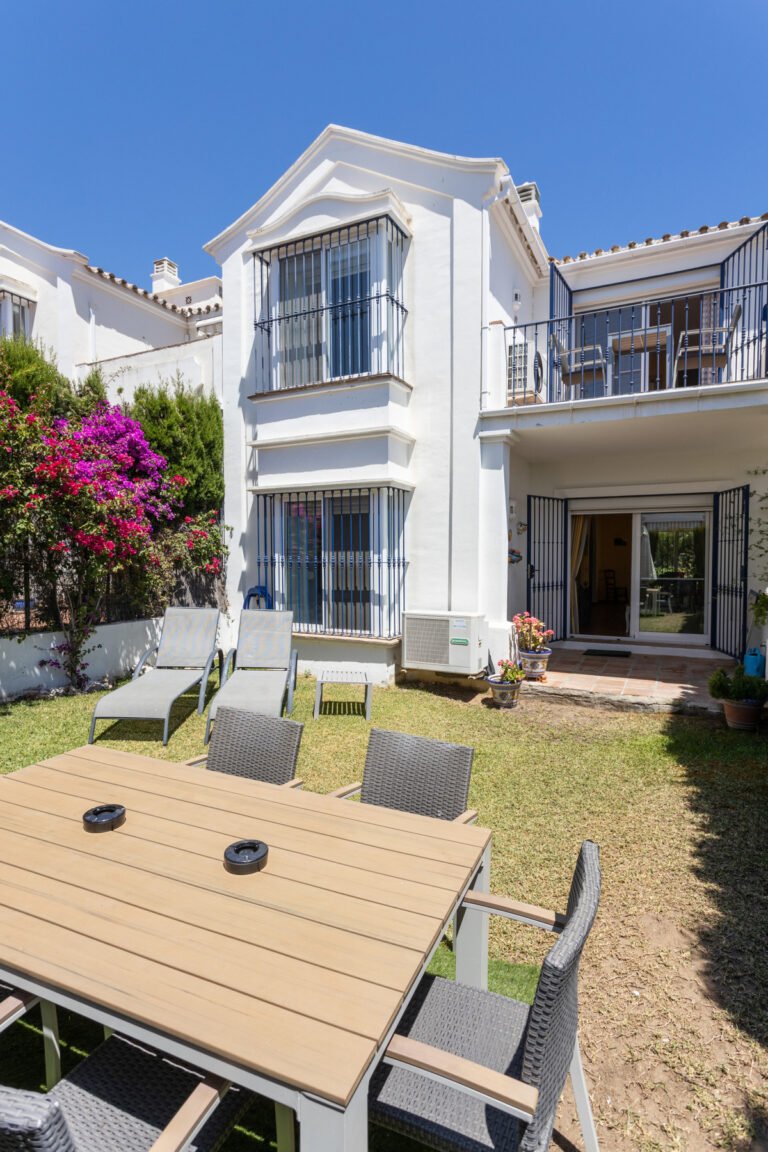
3-bedroom villa in San Pedro de AlcántaraFrom €1,050 per week
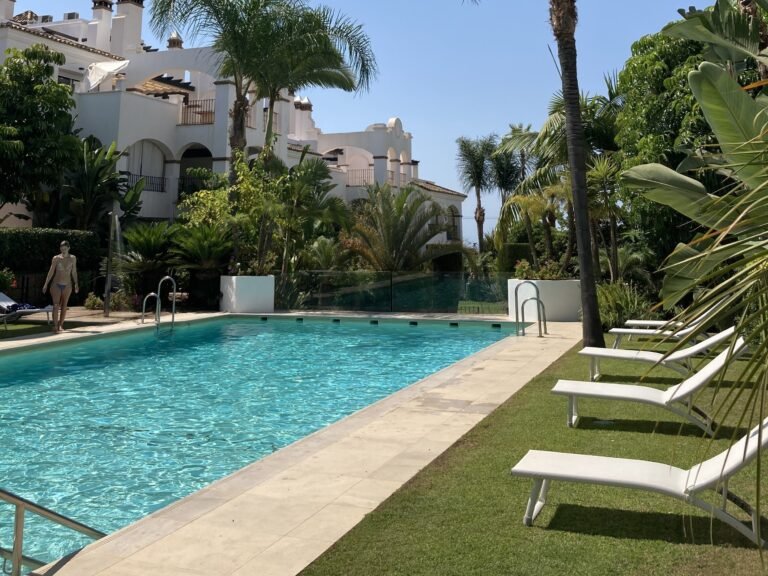
2-bedroom penthouse in Sierra BlancaFrom €1,800 per week
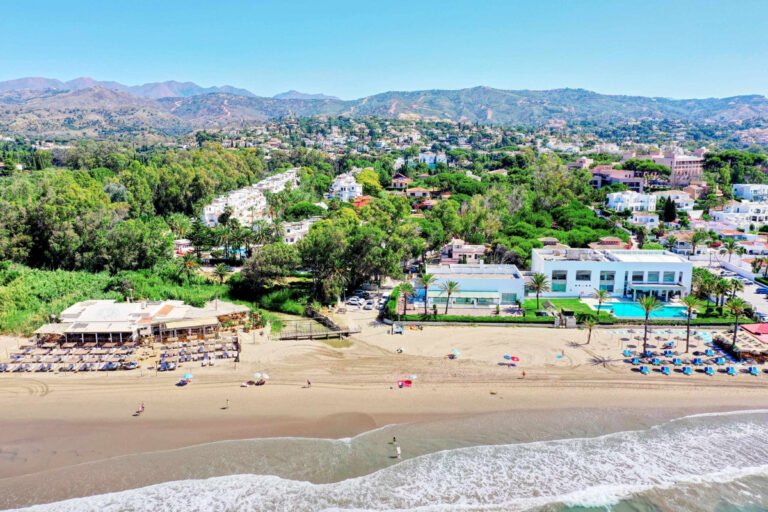
4-bedroom apartment in MarbellaFrom €1,155 per week
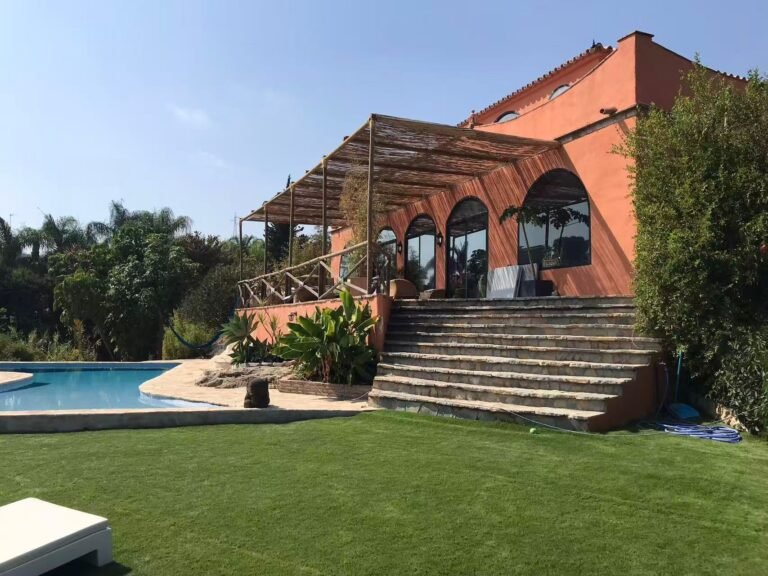
4-bedroom villa in BenalmadenaFrom €1,100 per week
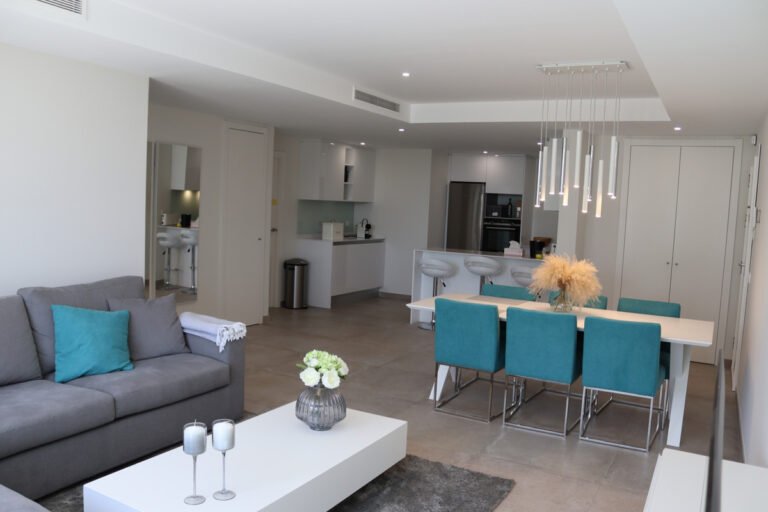
2-bedroom apartment in CanceladaFrom €1,000 per weekPARTNER
Living in Spain – or thinking about it?
News, practical guides and local services for internationals in Spain on NewInSpain.
Advertise your business here
Restaurants, car hire, cleaning and local services: reach travellers and holiday home owners in your area.
Own a holiday home in Spain?
List it on Spainholiday for a low fixed fee – no commission on your bookings.