By the time the first cold evening settles over Spain, the supermarkets have already filled with long cardboard boxes of turrón and paper trays of polvorones. In the bakeries, the air turns sweet and powdery; on family tables, the conversation shifts to seafood, roast lamb and the slow, late dinner of 24 December.
Spanish Christmas food is less about one fixed menu than a rhythm you can recognise anywhere: sweets before and after dinner, a serious meal on 24 December, and another round of treats once the Three Kings season begins. If you know what to buy, when to serve it and what locals actually eat, you can follow the season like someone who has done it for years.
Quick summary
Turrón is the most recognisable Spanish Christmas sweet, and the one visitors often buy first. The classic bars are made with almonds and honey, but supermarket shelves now carry many styles, from hard Alicante turrón to softer, creamier versions and versions with chocolate or fruit. The best advice is simple: read the ingredients, because the cheapest bars can taste like sugar with a label.
If you want a more traditional taste, look for turrón from Jijona or Alicante, both names tied to long-standing nougat-making in the east of Spain. It is the kind of sweet that works best in small pieces with coffee, a glass of sweet wine or after a heavy meal, when nobody wants a large dessert but everyone still wants something festive.
Polvorones and mantecados are dustier, more crumbly cousins of the Christmas table. They are made with flour, sugar and fat, often with almond flavour, and they collapse the second you bite them, which is exactly the point. Keep a napkin nearby, because nobody eats a good polvorón neatly.
These sweets are especially common in Andalusia, though you will find them all over Spain in December. They are cheap enough to buy in several varieties, and that is part of the fun: one tray for coffee, another for guests, and another for anyone who arrives after dinner and says they are not hungry.
The best-known Christmas Eve meals are built around seafood, because in many homes the day before Christmas has a celebratory feel and fish fits the season. You may see prawns, clams, baked fish, octopus or a starter of shellfish, followed by a roast or a second course that depends on family habits and budget. In coastal areas, seafood can dominate; inland, roast lamb or other meat may take the lead.
One detail worth knowing: the most expensive-looking table is not always the most elaborate one. Spanish households often put effort into a few good ingredients rather than a long list of dishes. A decent bottle of wine, good prawns, a careful roast and a plate of sweets can feel more festive than a table crowded with too much food.
If you are shopping for a Christmas meal in Spain, the fish counter and bakery matter more than fancy decoration. Go early if you want shellfish, because the best-looking pieces are usually gone first, and do not leave dessert until the last minute. For the sweet part of the meal, you can also browse our guide to Spanish wine and how to drink it like a local and Serrano ham and jamón ibérico, both of which often appear on holiday tables.
| Item | When to buy or prepare |
|---|---|
| Turrón and polvorones | From late autumn; buy early if you want the widest choice |
| Seafood for 24 December | As early as possible, especially if you want specific shellfish |
| Wine or cava | A few days before, so you are not left shopping with the holiday rush |
| Roast or fish for the main course | The same day or the day before, depending on the cut and the shop |
| Dessert and coffee sweets | Any time in the run-up, but the boxes disappear fastest in the final week |
Prices change sharply by city, neighbourhood and how close you are to the holiday rush, so it is safer to plan a flexible budget than to rely on one number. If you are shopping in a coastal town or a large city market, expect the best seafood and the most sought-after sweets to cost more once Christmas week begins.
If you are hosting in Spain, always check with the local town hall or regional authority for any rules that affect food sales, events or holiday rentals in your area. Christmas habits are shared, but regulations are not.
Christmas sweets are not rushed. Many Spanish households keep turrón, polvorones and other sweets on the table for days, so guests can help themselves with coffee or after lunch. If you are invited to a home, it is perfectly normal to eat a little, leave some, and then return for more later in the visit.
There is also a strong crossover between Christmas and the wider eating habits of the country. A long lunch, a late dinner, a shared bottle and a plate of sweets is not unusual here any month of the year; Christmas simply turns the dial up. If you want a practical comparison with everyday eating, our guide to Menú del día: how Spain’s set lunch works and where to find a good one shows how Spaniards think about food outside the holiday season.
Where to buy Christmas treats
No. It appears most strongly in the Christmas season, but people often buy it from late autumn and keep eating it into the New Year. Some households also serve it after lunch with coffee long before 24 December arrives.
Turrón is a nougat-style bar, usually almond-based, while polvorones are crumbly shortbread-like sweets dusted with sugar. Turrón is sliced; polvorones are eaten in a handful of messy, satisfying bites.
Not always, but seafood is very common, especially on the coast. Inland homes may lean more towards roast meat, soup or fish, so the exact menu depends on the family and the region.
Wine, cava, dessert or a box of sweets are all safe choices. If you are unsure, a good bottle and a box of turrón are easy to share and rarely go to waste.
In many homes, the most important gathering is on 24 December in the evening. Christmas Day can be quieter, with leftovers, a simpler meal or another family visit.
Yes. The sweets are often vegetarian, and many homes put out bread, cheese, olives and vegetable dishes alongside the main meal. If you are eating out, check the menu before you book, because Christmas menus vary a lot.
Discover Spain with Spainholiday
We share engaging articles on Spanish culture, food, sights and practical tips to help make your holiday even better.
👉 Like us, share our articles and keep following us for more inspiration for your next Spanish adventure!
Holiday homes on Spainholiday
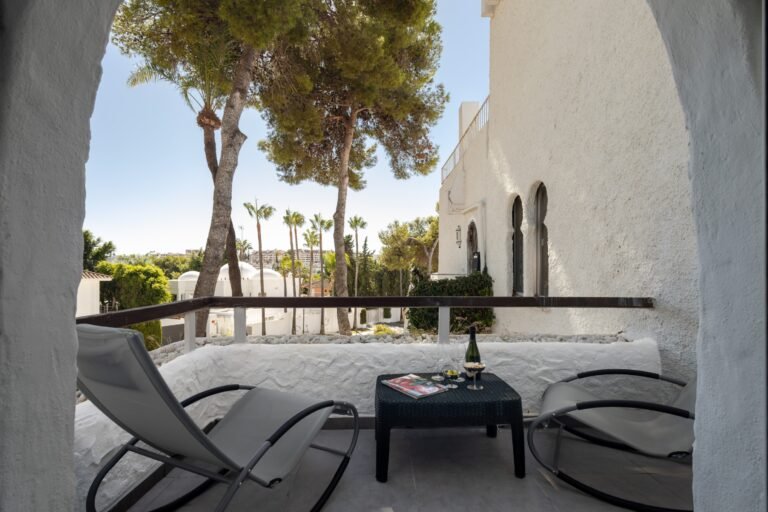
1-bedroom penthouse in MarbellaFrom €1,175 per week
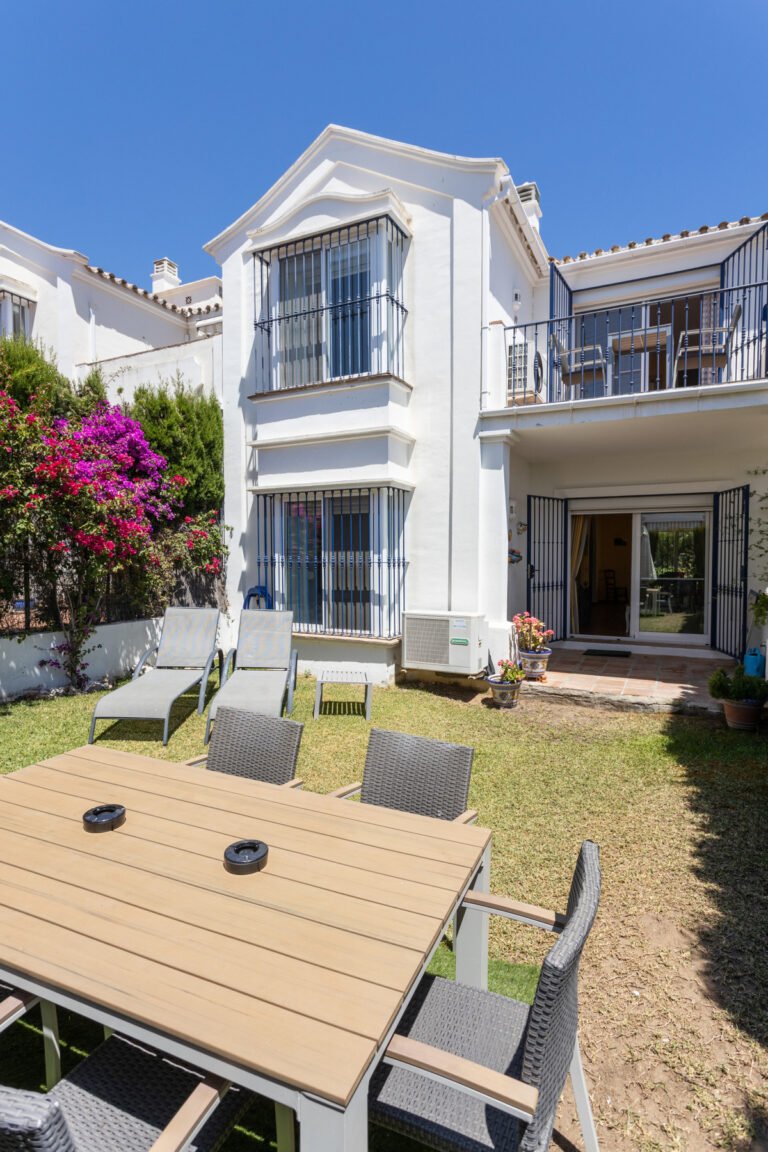
3-bedroom villa in San Pedro de AlcántaraFrom €1,050 per week
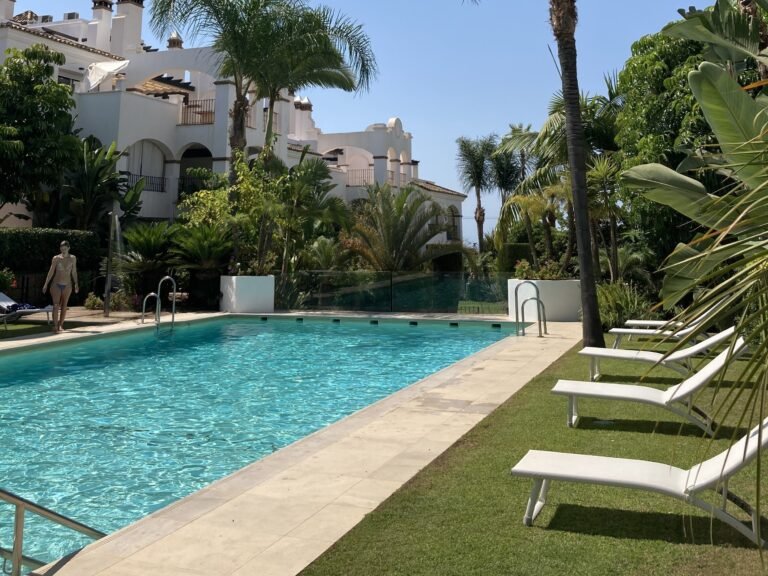
2-bedroom penthouse in Sierra BlancaFrom €1,800 per week

4-bedroom apartment in MarbellaFrom €1,155 per week
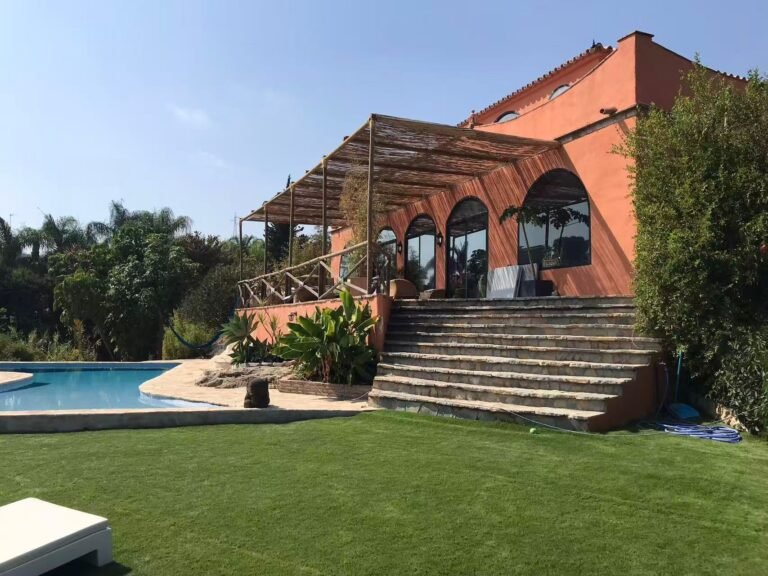
4-bedroom villa in BenalmadenaFrom €1,100 per week
2-bedroom apartment in CanceladaFrom €1,000 per weekPARTNER
Living in Spain – or thinking about it?
News, practical guides and local services for internationals in Spain on NewInSpain.
Advertise your business here
Restaurants, car hire, cleaning and local services: reach travellers and holiday home owners in your area.
Own a holiday home in Spain?
List it on Spainholiday for a low fixed fee – no commission on your bookings.